

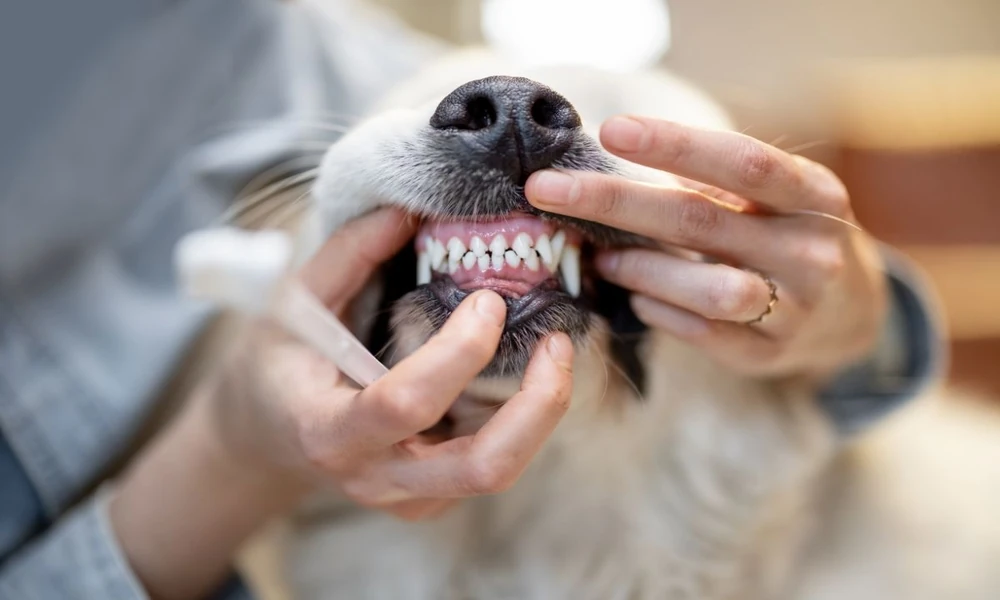
You might have noticed the small signs first, bad breath, slower eating, a little pawing at the mouth, or a pet who seems less playful than usual. It is easy to brush those things off, especially when your dog or cat still looks fine on the surface. Then comes that uneasy feeling. If something as routine as eating has started to hurt, what else might be going on? A visit to a veterinarian in Aberdeen, NC can help uncover the cause and get your pet feeling like themselves again.
That worry is more common than people realize, and it is one reason How Animal Hospitals Provide Dental Care For Pets matters so much. Good pet dental care is not just about cleaner teeth or fresher breath. It is about pain relief, infection control, and protecting your pet’s health before a small issue turns into a harder one.
So, what actually happens when you bring a pet to an animal hospital for dental treatment? In most cases, the process includes an oral exam, imaging when needed, a professional cleaning under anesthesia, and treatment for problems like gum disease, broken teeth, or infection. If you want a simple overview of what pet owners should know, this AVMA pet dental care brochure is a helpful place to start.
Why does pet dental care become a bigger issue than many owners expect?
The hard part is that pets are good at hiding pain. A dog may keep wagging its tail. A cat may still come to dinner. Meanwhile, plaque hardens into tartar, gums become inflamed, and bacteria move below the gumline where you cannot see the damage at home.
Because of this, what begins as mild bad breath can become periodontal disease. Teeth may loosen. Infected areas may form. Your pet may start chewing on one side, dropping food, or avoiding toys. Some pets become irritable, not because their personality changed, but because their mouth hurts.
That is where veterinary dental care in an animal hospital makes a real difference. A proper exam goes beyond what is visible during a quick look. The team checks the teeth, gums, bite, and signs of pain. They also look for hidden trouble that often sits under the gumline, which is where many serious dental problems begin.
What does an animal hospital actually do during a pet dental visit?
If you have never scheduled a dental procedure for a pet, the unknown can feel stressful. You may wonder whether it is just a cleaning, or whether it is something more involved. In truth, it depends on what the exam shows.
Most animal hospitals begin with a physical exam and preanesthetic screening. This helps the veterinary team understand your pet’s overall health and lower avoidable risks. During the dental procedure, pets are usually placed under anesthesia so the hospital can clean safely and thoroughly, including beneath the gumline. That is also what allows for dental X rays, detailed probing, and treatment without causing fear or pain.
In some cases, the visit ends with a routine cleaning and polishing. In others, the veterinarian may find damaged teeth, pockets of infection, or advanced gum disease that call for extra treatment. If you want to see how one hospital outlines these services, this page on pet dentistry at an animal hospital gives a useful example.
And if your pet needs more than a cleaning, that does not mean you missed something or failed them. Dental disease often progresses quietly. The good news is that once the source of pain is found, there is usually a clear path forward.
How does professional care compare with what you can do at home?
Home care matters. It can slow plaque buildup and support gum health. Still, brushing alone cannot replace a professional dental procedure when tartar, infection, or disease is already present. Think of home care as daily support, while the animal hospital handles diagnosis and treatment.
| Approach | What It Helps With | Limits | Best Use |
|---|---|---|---|
| At home brushing and dental products | Reduces plaque, supports fresher breath, helps maintain oral health between visits | Cannot treat disease under the gumline or remove hardened tartar safely | Daily prevention after a veterinary exam |
| Non anesthetic surface cleaning | May remove some visible buildup on the outside of teeth | Does not allow proper cleaning below the gumline, full exam, or safe treatment of painful areas | Limited value, not a substitute for hospital care |
| pet dental treatment at an animal hospital | Allows full exam, imaging, cleaning below the gumline, and treatment of painful or infected teeth | Costs more upfront and requires anesthesia planning | Diagnosis, treatment, and deeper prevention |
If cost is part of your concern, you are not alone. Many owners hesitate because they fear hearing that their pet needs a procedure they did not budget for. That is a real burden. Still, delayed care often means more advanced disease, more discomfort for your pet, and more treatment later. Asking for an estimate and a clear breakdown of options can help you make a steadier decision.
For a stronger foundation on what the profession recommends, the AVMA dental care resource is worth reviewing.
What can you do right now if you think your pet has dental problems?
1. Watch for the quiet signs.
Bad breath, red gums, drooling, face rubbing, chewing changes, and food dropping all matter. So does a shift in mood. If your pet seems withdrawn or touchy around the head, mouth pain could be part of the story.
2. Schedule an oral exam before the problem grows.
You do not need to wait until your pet stops eating. An exam can catch disease early, when treatment is often simpler. Ask whether the hospital recommends dental X rays, preanesthetic testing, and a home care plan after the visit.
3. Build a realistic home routine.
After professional care, daily or near daily brushing can help protect the results. If brushing is a struggle, ask about rinses, dental diets, or approved chews. The best plan is the one you can actually keep doing without stress for you or your pet.
Where does that leave you if your pet needs dental care now?
If you have been feeling unsure, guilty, or overwhelmed, take a breath. Dental disease in pets is common, and many loving owners do not see it until the signs become harder to ignore. What matters now is that you are paying attention.
An animal hospital can help you move from uncertainty to a clear plan, whether your pet needs a routine cleaning, treatment for gum disease, or a closer look at a painful tooth. When mouth pain is treated, pets often go back to eating, playing, and resting with more ease, and that change can be a relief for both of you.
If your pet has bad breath, red gums, or trouble eating, schedule a dental exam with an animal hospital and ask what kind of care makes sense for your pet’s age, health, and symptoms.