

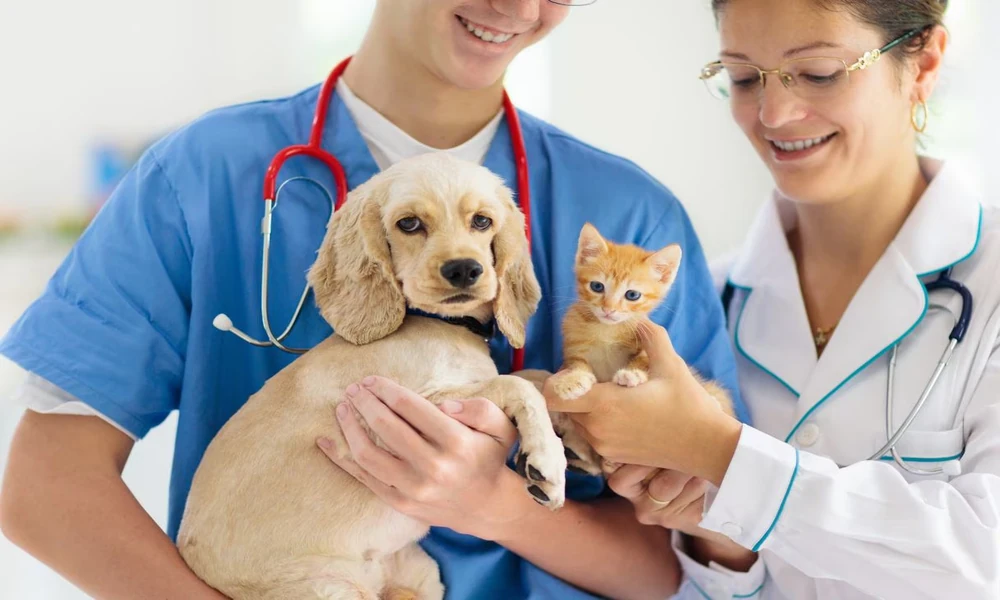
You know your pet’s normal rhythm. You notice when the greeting at the door is slower, when dinner stays untouched, when breathing sounds different in the middle of the night. That shift can leave you stuck between hoping it passes and worrying you are waiting too long. When your dog or cat seems off, the hardest part is often deciding whether this is something to watch at home or a reason to go to an animal hospital right away-and when to contact a veterinarian in Studio City, CA.
Some changes can wait for a routine visit. Others should not. Trouble breathing, sudden weakness, and repeated vomiting or signs of severe pain are three of the clearest warnings that your pet needs urgent care. A delay can turn a treatable problem into a dangerous one, and most owners know that feeling of second guessing themselves long after the moment has passed.
Breathing changes are one of the clearest emergency signs in a pet hospital situation
If your pet is breathing fast at rest, struggling to get air, coughing hard, or holding their neck out to breathe, treat that as urgent. Open mouth breathing in cats is especially serious. Pale or blue gums can mean oxygen is low. Restlessness, panic, and a sudden refusal to lie down can also show that breathing has become work.
This is where people often lose time. A pet may still be walking, still looking at you, still trying to act normal. That can create false comfort. Respiratory distress does not always look dramatic at first. Cornell’s guide to recognizing and responding to canine respiratory distress explains how quickly breathing problems can escalate and why calm, fast action matters.
If breathing seems labored, keep your pet quiet, avoid forcing food or water, and head in. Do not wait to see if sleep fixes it. A pet that cannot breathe well can decline in minutes, not days.
Sudden collapse, weakness, or confusion often means your pet needs emergency veterinary care
A pet who collapses, cannot stand, walks as if drunk, or seems suddenly disoriented needs urgent attention. The cause could be heart trouble, internal bleeding, heat illness, seizures, poisoning, low blood sugar, or a neurologic event. You do not need to know which one before acting. The sign itself is enough.
This can be hard to read because some pets bounce back for a few minutes and then crash again. That brief recovery does not make the episode harmless. If your dog fainted on a walk or your cat suddenly hid, stared blankly, and could not balance, you are no longer in watch and wait territory. You are looking at one of the most common signs your pet needs an animal hospital.
Try to notice what happened just before the episode. Was there exercise, heat, access to medication, a possible fall, or a known medical condition. That information helps the veterinary team move faster once you arrive.
Repeated vomiting, severe pain, or a swollen belly can signal a medical emergency
One episode of vomiting may not always require urgent care. Repeated vomiting, vomiting with blood, dry heaving without producing anything, a hard or swollen abdomen, or obvious pain is different. So is diarrhea paired with lethargy, weakness, or refusal to drink. Pets can dehydrate fast, and some causes, including bloat, intestinal blockage, pancreatitis, or toxin exposure, can become dangerous very quickly.
Pain also deserves more respect than many owners give it in the moment. A pet who is shaking, crying, hunched up, hiding, snapping when touched, or unable to settle may be in significant distress. Animals often mask pain until they cannot anymore. By the time it is visible, the problem may be advanced.
For basic first aid while you are getting ready to leave, the AVMA offers a useful pet first aid guide. First aid is support, not a substitute for professional care. If the symptoms are severe, your destination is still an animal hospital.
Home monitoring and emergency care carry very different risks
| Situation | Watching at Home | Going to an Animal Hospital |
|---|---|---|
| Mild single vomit, pet acts normal after | May be reasonable if eating, drinking, and energy return | Needed if vomiting repeats or other symptoms appear |
| Fast or labored breathing at rest | High risk of sudden decline | Immediate oxygen support and testing may be available |
| Collapse or inability to stand | Can miss internal bleeding, toxin exposure, or heart issues | Urgent evaluation can identify life threatening causes sooner |
| Swollen abdomen with retching or pain | Delay can be dangerous, especially in dogs at risk of bloat | Rapid treatment may save time and reduce complications |
| Visible pain, crying, shaking, hiding | Pain often worsens and the cause may be serious | Relief and diagnosis can start right away |
The choice often comes down to risk. Watching at home feels easier in the moment, especially late at night or when you are unsure. The cost of waiting can be much higher if your pet arrives sicker than they were an hour earlier. That is why many owners search for when to take your pet to the vet only after the signs have become impossible to ignore.
Three steps to take right away when your pet’s condition changes
1. Check the basics. Look at breathing, gum color, ability to stand, and interest in water. Count breaths if your pet is resting. Notice whether the abdomen looks swollen or whether pain is obvious when touched.
2. Keep your pet calm and limit movement. Excitement can worsen breathing trouble, bleeding, or pain. Use a carrier for cats and small dogs if possible. For larger dogs, support them with a towel under the chest or belly if they are weak.
3. Gather key details before you leave. Bring medication bottles, note the time symptoms started, and take a short video if the problem comes and goes. That information helps the veterinary team assess your pet faster. If you have any doubt, treat it like a pet emergency hospital situation and go.
Prompt care gives your pet the best chance to recover
You are not overreacting because you noticed a real change. Most people who bring a pet in urgently are doing it because something in their gut told them this was different, and they were right to listen. Breathing trouble, sudden collapse, and repeated vomiting or severe pain are not small warning signs. They are reasons to act.
If your pet is showing any of these symptoms, seek care at an animal hospital as soon as possible. Fast action can ease suffering, protect your pet from a rapid decline, and give you clearer answers when you need them most.