

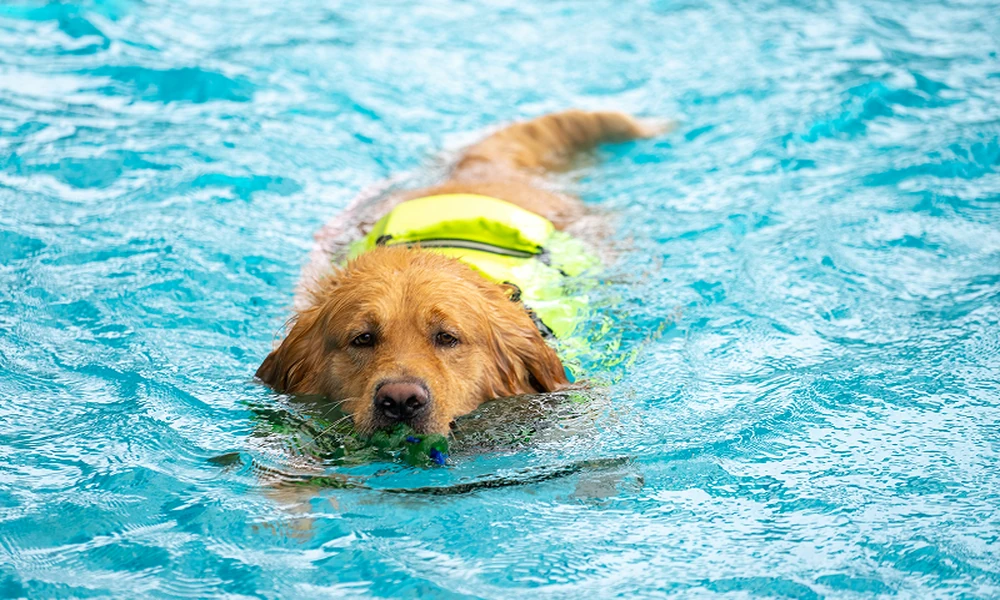
Hydrotherapy for dogs can form part of a rehabilitation programme for selected animals, but owners should approach it as a structured veterinary service rather than a general swimming activity. A dog’s condition, mobility and tolerance for exercise all need consideration. Controlled water therapy offers unique physical benefits, including buoyancy to reduce joint stress, warm water temperature to ease muscular tension, and gentle hydrostatic pressure to alleviate chronic swelling. These controlled factors create a safe, low-impact environment where canine patients can regain strength and mobility far more safely than on dry land.
Simple planning mistakes can make rehabilitation harder to manage. Understanding what to avoid can help owners prepare for sessions and follow professional recommendations more carefully.
1. Skipping a Proper Assessment
One mistake is arranging hydrotherapy without first establishing if it is appropriate for the dog. Water-based exercise may not suit every animal, and the right approach can depend on the underlying health concern.
A professional assessment should consider your dog’s condition, movement, behaviour and treatment history. Share relevant medical information before the first session. A qualified practitioner will perform a detailed physical examination, checking range of motion, muscle mass symmetry, neurological responses, and cardiovascular stamina. They will also screen for contraindications such as open surgical wounds, active skin infections, or underlying heart conditions. Skipping this critical diagnostic phase risks exposing your dog to exercises that could exacerbate hidden injuries or cause unnecessary discomfort.
Avoid assuming that a treatment suitable for one dog will automatically suit another.
2. Treating Hydrotherapy Like Regular Swimming
Another mistake is viewing rehabilitation sessions as ordinary exercise. The purpose of a structured programme is linked to the dog’s physical needs and recovery goals.
Exercise should follow the plan provided by the veterinary team. Allowing a dog to perform extra activity outside the recommended programme may interfere with recovery. Hydrotherapy utilises targeted water treadmill speeds, controlled water depths, and therapeutic swim patterns to target specific muscle groups without overloading vulnerable joints. Uncontrolled swimming at home or at a dog park lacks this precision; chaotic splashing, sudden twisting, and frantic exit movements can easily lead to acute muscle strains or re-injury.
Ask how much activity is appropriate between sessions and follow the instructions provided.
3. Increasing Activity Too Quickly
Owners may feel encouraged when a dog appears more comfortable and then increase walks or play too quickly. A temporary improvement does not necessarily mean the animal is ready for unrestricted activity. Soft tissue healing, joint cartilage stabilisation, and bone remodeling take significant time. Prematurely resuming long walks, ball chasing, or staircase navigation can destabilise vulnerable joints and cause severe setbacks in recovery.
Rehabilitation should progress according to professional assessment and services quality of veterinary rehabilitation and hydrotherapy centre. The team can determine when changes to exercise are appropriate.
Keep track of your dog’s response after sessions and report anything unusual.
4. Failing to Review Progress
A rehabilitation plan should not continue indefinitely without review. The dog’s needs may change as recovery progresses.
Ask how progress will be measured and when the programme will be reassessed. Changes in gait, activity and comfort can help the team determine if adjustments are needed. Systematic evaluations allow veterinary professionals to modify water depth, adjust session durations, or integrate complementary rehabilitation techniques like veterinary acupuncture. Regular check-ins ensure that the treatment remains aligned with your dog’s evolving physical capabilities throughout every recovery phase.
Common Mistakes
Avoid these four errors:
- Starting without professional assessment
- Treating rehabilitation as ordinary swimming
- Increasing activity too quickly
- Skipping progress reviews
Working with a veterinary rehabilitation and hydrotherapy centre can help ensure that hydrotherapy for dogs forms part of an appropriate plan. Owners can support the process by following instructions, monitoring changes and communicating with the veterinary team.
Contact Bluewater Vet Acupuncture & Rehabilitation to discuss your dog’s mobility needs and suitable rehabilitation options.