

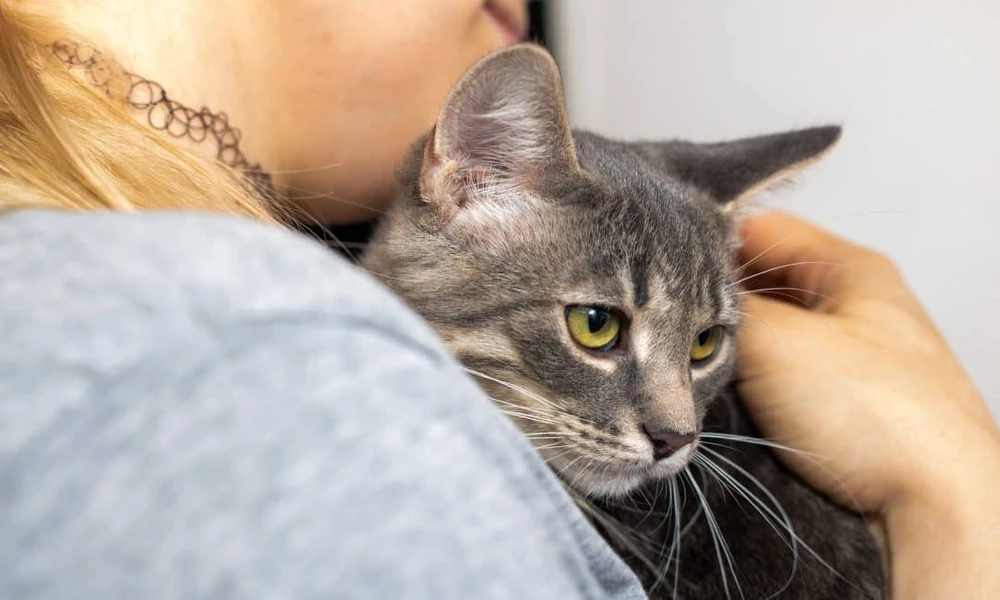
You might be feeling that knot in your stomach long before the appointment even starts. Your pet senses something is different, you are trying to stay calm, and the whole trip to the animal hospital can feel harder than it should, especially when you are looking for a trusted veterinarian in Houston Heights, TX. Then, after the visit, you may replay every moment in your head, wondering if your pet was too scared, if you asked the right questions, or if bad news is still ahead. If that sounds familiar, you are not overreacting. Veterinary visits can bring up fear, guilt, money worries, and grief all at once.
The good news is that How Animal Hospitals Reduce Pet Owner Anxiety is not a mystery. The best hospitals lower stress by making visits more predictable, more gentle, and easier to understand. They prepare pets before handling them, explain what is happening in plain language, and offer support when the emotional side of care becomes heavy. In many cases, small changes in the clinic experience can help both you and your pet feel safer.
Why does a visit to an animal hospital feel so stressful in the first place?
Part of the stress comes from uncertainty. You may not know whether your pet is simply uncomfortable or seriously sick. You may worry about cost before you even hear the treatment plan. And because pets cannot explain what they feel, your mind often fills in the blanks with worst case scenarios.
Then there is your pet’s behavior. A dog who shakes in the lobby or a cat who hides in the carrier can make you feel helpless fast. Because of this tension, you might wonder whether the visit itself is causing harm. That question matters, and many hospitals now treat fear and anxiety as a real medical concern, not just an inconvenience.
That shift has changed the way many clinics operate. Fear Free techniques, for example, focus on lowering stress through handling, environment, timing, and communication. You can see some of those changes in these Fear Free vet visit practices, which include calmer exam approaches and more attention to your pet’s emotional state.
How do animal hospitals calm both pets and people during care?
The strongest clinics understand something simple but easy to miss. If your pet is frightened, you are more likely to become anxious too. So they work on both sides of the leash.
For pets, that can mean quieter rooms, treats during exams, non-slip surfaces, slower handling, and breaks when stress rises. For you, it often means clear explanations, honest cost discussions, and a staff member who tells you what comes next before it happens. That kind of communication can bring your heart rate down because you are no longer guessing.
There is also a deeper layer. Sometimes the anxiety is not just about the appointment. It is about what the appointment may reveal. If your pet has a chronic illness, is aging, or needs surgery, the emotional weight can build over time. In those moments, reducing pet owner stress at the vet depends on more than bedside manner. It depends on trust, consistency, and feeling like you are not carrying the burden alone.
Some hospitals support this by offering follow-up calls, written care instructions, and space for hard conversations. Others connect families with grief and counseling resources when the situation turns serious. If you are facing loss or anticipatory grief, these pet loss support resources and these veterinary counseling and support services can help you feel less isolated.
What does a low-stress animal hospital experience actually look like?
It often starts before you arrive. You may be told how to prepare the carrier, when to withhold food, or whether anti-anxiety medication could help your pet before the visit. Once you get there, the staff may move you into an exam room quickly instead of having you wait in a crowded lobby.
During the exam, a veterinarian or technician may watch your pet’s body language first instead of reaching in right away. They may examine your pet where your pet feels safest, use food rewards, or postpone non-urgent steps if stress becomes too high. That may seem minor, but it can change the whole tone of the visit.
And what about you? A good animal hospital helps you understand choices without pressure. If there are several care options, the team explains the benefits, limits, cost range, and likely next step for each one. That keeps you from feeling cornered, especially when money and emotions are both tight.
Which approaches help most when pet owners feel overwhelmed?
Not every clinic handles anxiety the same way. Some still move fast, use standard restraint, and leave little room for questions. Others build their systems around comfort and communication. The difference can be easier to see side by side.
| Approach | Higher Stress Experience | Lower Stress Experience |
|---|---|---|
| Waiting area | Long wait in a noisy lobby with other animals nearby | Fast room placement, quieter space, or separate pet zones |
| Handling | Quick restraint with little pause for body language | Gentle handling, treats, breaks, and slower pacing |
| Communication | Brief explanations and limited time for questions | Clear step by step updates and written instructions |
| Care planning | One plan presented without much context | Options explained with likely outcomes and cost ranges |
| Emotional support | Focus only on medical tasks | Recognition of grief, fear, and decision fatigue |
So, where does that leave you? It means pet care anxiety relief is often tied to systems, not luck. A clinic that plans for fear, confusion, and grief is usually better equipped to reduce them.
What can you do right now to make the next visit easier?
1. Ask about low-stress handling before the appointment.
When you schedule, ask how the hospital helps nervous pets and worried owners. Do they offer quiet appointment times, direct-to-room check-in, or pre-visit calming medication if needed? One short phone call can tell you a lot about how the clinic views anxiety.
2. Write down your top three concerns.
Stress makes it hard to think clearly in the exam room. Keep a short list on your phone or on paper. Include symptoms, behavior changes, and one financial question if cost is on your mind. This helps the visit stay focused and gives you a sense of control.
3. Pay attention to how the team responds to fear.
Notice whether they rush, whether they explain, and whether they adjust when your pet shows distress. A hospital that pauses and adapts is often a better fit for long-term care. That is one of the clearest signs of compassionate veterinary care, and it matters more than many people realize.
Can the right animal hospital really change how you feel?
Yes, often more than you expect. Anxiety does not disappear just because you love your pet or try to stay positive. It eases when the people caring for your pet know how to reduce fear, speak plainly, and guide you through hard moments without making you feel rushed or small.
If a visit has left you overwhelmed before, that does not mean every visit has to feel that way. The right animal hospital can turn a tense experience into one that feels manageable, informed, and humane. And when you feel steadier, your pet often does too.