

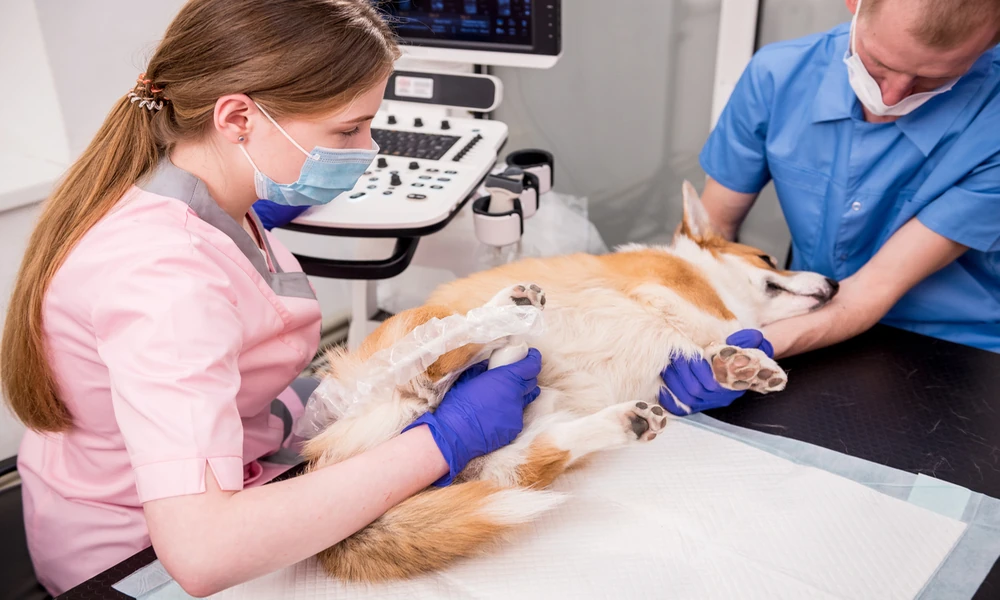
You might be feeling pulled in two directions at once. On one side, you want the best outcome for your animal, whether that means a healthy pregnancy, help with infertility, or guidance before breeding. On the other, it can feel hard to know where to turn, what questions to ask, and how much support an animal hospital can really provide, especially if you are searching for an exotic pet veterinarian in Alexandria, VA. That tension is common, and it matters. When you understand how animal hospitals offer reproductive and breeding services, the path often becomes much clearer. In simple terms, these hospitals help with fertility testing, breeding timing, pregnancy care, high risk cases, and planning that protects both the parent and the litter.
For many owners and breeders, the “before” looks like uncertainty. Maybe there have been missed breedings, small litters, pregnancy loss, or a male that does not seem to be producing as expected. The “after” you want is steadier. You want facts, a plan, and a team that can explain what is happening without making you feel lost. That is where veterinary reproductive services can make a real difference.
Why do reproductive problems feel so stressful in the first place?
Reproduction is rarely as simple as people hope. Timing matters. Age matters. Breed matters. Health history matters. Even when everything looks fine on the surface, there can be hidden issues affecting conception or pregnancy. Because of that, a missed breeding is not always “bad luck,” and repeated problems are often a sign that a closer workup is needed.
An animal hospital that provides breeding support usually starts by looking at the whole picture. That may include hormone testing, vaginal cytology, semen evaluation, ultrasound, genetic planning, and a review of prior pregnancies or losses. If you have ever wondered why one hospital visit can lead to several recommendations, this is why. Reproduction depends on many moving parts, and one weak point can affect everything else.
So, where does that leave you if you are trying to make a careful decision? It means support should not begin only when there is a crisis. Good planning before breeding often lowers risk later. Programs in reproductive medicine at animal hospitals often focus on both prevention and treatment, helping owners manage fertility concerns before they become bigger problems.
What services are usually included in animal breeding care?
Most people hear “breeding services” and think only about artificial insemination. In reality, the scope is wider. Animal hospitals may offer breeding soundness exams for males and females, ovulation timing, semen collection and evaluation, fertility consultations, pregnancy diagnosis, and care for difficult pregnancies or deliveries. Some also help with neonatal care after birth, which can be just as important as conception itself.
If a female is not conceiving, the hospital may look for infection, structural concerns, hormonal issues, or poor breeding timing. If the concern involves a male, the focus may shift to semen quality, reproductive anatomy, and overall health. Specialty services like theriogenology for cats and dogs are built around these exact questions, combining diagnostics with practical breeding management.
And what if the issue is not fertility, but safety? That matters too. Responsible animal reproduction services often include screening for inherited disease, discussion of maternal risk, and planning for breeds that may need extra support during whelping or queening. In other words, the goal is not just pregnancy. The goal is a healthier parent and healthier offspring.
How do animal hospitals compare basic breeding attempts with guided reproductive care?
Sometimes owners try to manage breeding with home observation alone, especially if they have had past success. That can work in some cases, but it also leaves more room for missed timing and overlooked medical issues. When problems repeat, professional help tends to save time, stress, and often money over the long run.
| Approach | What It Usually Includes | Potential Benefit | Common Risk |
|---|---|---|---|
| Home monitoring only | Behavior observation, calendar tracking, informal breeding timing | Lower upfront cost | Missed ovulation, delayed diagnosis, repeated failed breedings |
| General veterinary visit | Basic health exam, simple pregnancy confirmation | Good starting point for routine cases | May not address deeper fertility issues |
| Hospital based reproductive care | Hormone testing, semen evaluation, ultrasound, breeding timing, pregnancy management | More precise planning and earlier problem detection | Higher upfront investment |
| Specialty reproduction service | Advanced fertility workup, high risk pregnancy support, neonatal planning | Useful for repeated losses, infertility, or complex breeding goals | May require referral and multiple visits |
Research based hospital programs also show how broad this care can be. Services offered through small animal reproduction and theriogenology clinics often include both routine breeding management and advanced fertility evaluation. That range matters when your case is not straightforward.
What can you do right now if you are considering reproductive help?
Start with a full history. Gather breeding dates, heat cycle notes, prior pregnancy records, litter sizes, medications, and any past complications. If a male is involved, include age, prior fertility, and any semen test results. A clear timeline helps the hospital spot patterns quickly.
Ask about timing, testing, and risk. Not every animal needs every test, but you should understand why each recommendation is being made. Ask what problem the test is trying to rule out, what the next step would be if results are normal, and how the plan changes if they are not.
Think beyond conception. Pregnancy is only one stage. Ask about prenatal monitoring, possible delivery support, and newborn care. This is especially important if your breed has known reproductive challenges or if there has been a prior loss.
When is it time to move forward with animal hospital reproductive care?
If you have had more than one failed breeding, a history of miscarriage or stillbirth, concerns about semen quality, or a breed with known delivery risk, it is usually time to seek more focused help. The same is true if this is your first breeding and you want a plan built around safety rather than guesswork. Breeding services for animals are not only for emergencies. They are often most useful before things go wrong.
You do not need to have every answer before making the call. You just need a starting point and a willingness to ask better questions. With the right support, what feels confusing now can become more manageable, step by step. Reach out to a trusted animal hospital to discuss reproductive and breeding services and get a care plan that fits your animal’s needs.