

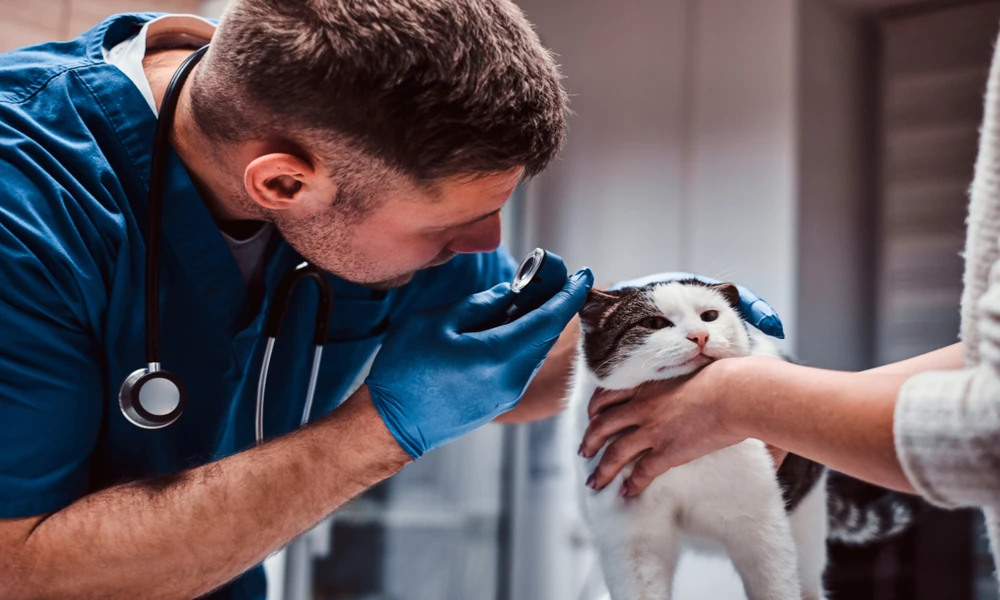
You might already know this feeling. Your pet seems a little off, maybe not eating the same way, maybe moving slower, and you want answers quickly without adding more stress to an already hard moment. At the same time, veterinary care can feel like a mix of emotion, timing, cost, and trust. If you are looking for Roanoke, VA veterinary support, you want care that is kind and careful, but you also want it to be accurate and efficient. That is where technology has quietly changed a lot. In simple terms, technology helps general veterinary services become faster, clearer, and often safer, which can mean earlier answers, better follow-up, and a smoother experience for both you and your pet.
That shift matters because routine care is rarely just routine when it is your animal. A wellness visit, a blood test, a skin issue, or a sudden limp can carry a lot of worry. When clinics use better tools for exams, records, imaging, lab work, and communication, they can often spot problems sooner and explain options more clearly. For many pet owners, that means less waiting in the dark and more confidence in the next step.
Why does technology matter so much in general veterinary care?
When people hear about new tools in medicine, they often think of advanced surgery or rare cases. But some of the biggest gains happen in everyday care. How Technology Improves General Veterinary Services is not really about replacing the veterinarian. It is about helping that veterinarian see more, track more, and respond with better information.
Think about a common visit. A dog comes in with vomiting, or a cat starts drinking more water than usual. Years ago, much of the process depended on observation, paper notes, outside labs, and a longer wait for results. Those steps still had value, of course, but delays could make a hard situation feel harder. Now, digital records can show trends over time, in-house diagnostics can return results sooner, and imaging can give a clearer picture right in the clinic.
Because of this, smaller changes become easier to catch. A mild rise in kidney values. A weight pattern that points to a chronic issue. Dental disease that can be documented and monitored. If a problem is found earlier, treatment may be simpler and less costly. If a problem turns out to be minor, that peace of mind comes sooner too.
There is also a larger workforce story behind this. The veterinary profession continues to adapt to growing demand, staffing pressure, and changing patient needs. The AVMA State of the Profession report gives useful context on those trends, and it helps explain why efficient systems matter so much in daily practice.
What kinds of veterinary technology are changing the exam room?
The most helpful tools are often the ones that make care feel more connected. Digital medical records let clinics track vaccines, lab results, medications, allergies, and past concerns in one place. That reduces missed details and helps the care team make decisions based on a fuller picture.
Diagnostic technology has also changed the pace of care. In-house blood analyzers, digital X-rays, ultrasound, and better monitoring devices can help a modern veterinary care team move from uncertainty to a plan much faster. If your pet is sick, that speed can lower stress. If your pet is stable but needs monitoring, it can improve follow-up over time.
Then there is communication. Client portals, text reminders, online scheduling, and teletriage tools do not treat disease on their own, but they can make it easier to stay on top of preventive care and post-visit instructions. Missed rechecks and forgotten medications are common in busy real life. Technology can close that gap.
If you want a better sense of where veterinary medicine is heading, the AVMA offers learning resources on emerging technology in veterinary practice and practical education on using digital tools in clinical settings. These resources reflect a simple truth. Better systems support better care.
Where do the real benefits show up for pets and pet owners?
So, where does that leave you as the person trying to make a good decision? Usually, it comes down to three things. Time, clarity, and continuity.
Time matters when a pet is ill. Faster test results can shorten the wait between symptoms and treatment. Clarity matters because confusing information can make even manageable problems feel overwhelming. When a veterinarian can show you digital images, trend lines, or printed care plans, it becomes easier to understand what is happening. Continuity matters because many pets need ongoing care, not just one visit. Chronic ear infections, arthritis, diabetes, allergies, and dental disease all benefit from clear records and steady follow-up.
Veterinary technology advances also support preventive care. A clinic that tracks reminders well is more likely to help you stay current on vaccines, parasite prevention, and senior screenings. That may not sound dramatic, but prevention often saves money and avoids suffering later.
How does technology compare with older veterinary workflows?
Not every tool is right for every clinic, and technology does not erase the need for judgment, compassion, or hands-on skill. Still, comparing older workflows with updated systems can show why many pet owners notice a difference.
| Area of Care | Older Workflow | Technology Supported Workflow | Why It Matters |
|---|---|---|---|
| Medical records | Paper files or limited access | Digital records with history, labs, and reminders | Fewer missing details and better long-term tracking |
| Diagnostics | More outside lab dependence | In-house testing with faster results | Quicker treatment decisions |
| Imaging | Traditional film with slower review | Digital X-rays and easier image sharing | Clearer images and faster interpretation |
| Client communication | Phone tag and paper instructions | Texts, portals, and digital care plans | Better follow through at home |
| Preventive care | Manual reminders | Automated reminders and health tracking | Fewer missed vaccines and screenings |
What can you do right now if you want better general veterinarian care?
1. Ask how the clinic handles diagnostics and records.
You do not need to ask technical questions. Just ask whether they use digital records, in-house lab testing, or digital imaging. That can tell you a lot about how quickly they can assess common issues and how well they can track your pet over time.
2. Bring a simple health timeline to each visit.
Even the best general veterinary services work better when your observations are clear. Write down appetite changes, vomiting, coughing, itching, bathroom habits, and medication timing. Technology helps organize data, but your day-to-day view of your pet still matters.
3. Use the clinic’s follow-up tools.
If the practice offers text reminders, portals, or digital discharge notes, use them. These tools can help you remember rechecks, give medicine on time, and catch changes early if your pet is not improving.
What should you remember as veterinary care keeps changing?
The heart of care has not changed. You still want a veterinarian who listens, explains things clearly, and treats your pet with patience. Technology simply makes that care stronger when it is used well. It can shorten delays, improve accuracy, support prevention, and help you feel less lost when something is wrong.
If you are weighing your options for a general veterinarian, look for a clinic that combines good tools with good communication. That balance often makes the biggest difference, especially when you need answers and reassurance at the same time.