

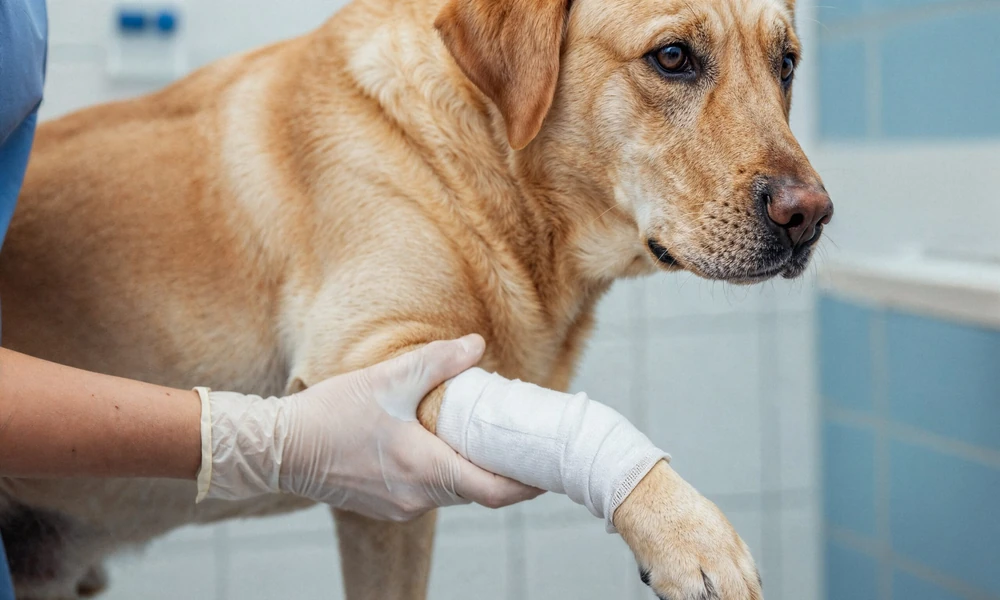
It often starts fast. Your dog comes in from the yard with a small cut on a paw, or your cat jumps down, limps for a moment, and leaves you staring at them, trying to decide whether this is something simple or something that could turn serious by morning. You want to stay calm, but that is hard when your pet cannot explain what hurts. If you are wondering how Rock Hill veterinary general veterinarians handle minor injuries, the short answer is this. They assess the wound or strain, rule out hidden damage, clean and protect the area, manage pain, and tell you what to watch for at home.
That sounds straightforward, yet the stress comes from not knowing where the line is between a minor problem and an urgent one. Because of that tension, it helps to know what a general veterinarian usually looks for, what treatment may involve, and when home care is not enough.
When a small wound does not feel small, what does a general veterinarian look for first?
A minor injury can still carry risk. A shallow cut may hide a deeper puncture. A limp after rough play may be a simple strain, or it may point to a fracture, a torn nail, or a wound between the paw pads. That is why a general veterinarian begins with a careful exam rather than guessing from the surface.
In most cases, the first steps are simple and focused. They look at bleeding, swelling, pain, heat, discharge, and how your pet is moving. They also ask what happened, when it happened, and whether your pet has been licking or chewing the area. With wounds, timing matters. The team may clip fur, flush the area, and check whether the skin edges are clean or jagged. The University of Illinois explains what to know when your pet has a laceration, including why early assessment can lower the risk of infection and delayed healing.
So, where does that leave you if the injury looks minor at home? Usually in a gray area, which is exactly why routine veterinary care matters. A vet for minor pet injuries is trained to catch the things most owners cannot see, such as dead tissue, trapped debris, pain that is stronger than it appears, or signs that a bite wound may be deeper than the skin opening suggests.
Why do small cuts, scrapes, and bites sometimes need more care than expected?
The hardest part is that pets often act brave. A dog may still wag. A cat may hide and go quiet instead of crying out. That can make an injury seem less urgent than it is. Bite wounds are a good example. The skin opening may look tiny, but bacteria can be pushed under the skin where infection forms quickly.
There is also a safety issue people do not always think about in the moment. If your pet was injured during an encounter with a wild animal or an unknown dog or cat, your veterinarian may ask about rabies exposure and vaccine status. The CDC offers guidance for veterinarians managing rabies risk, and that kind of screening can shape what happens next.
For traumatic wounds, treatment decisions are often based on contamination, tissue damage, and location. Research from Cornell on an intervention protocol for management of traumatic wounds in dogs reflects the same core principle many clinics use every day. Clean the wound well, protect healthy tissue, and match treatment to the type of injury rather than assuming every cut heals the same way.
This is one reason minor pet injury treatment can include more than a quick bandage. Your pet may need pain medicine, an e-collar, antibiotics in select cases, restricted activity, or a recheck to make sure healing is on track.
Should you watch it at home or see a general veterinarian?
That question comes up all the time, and the answer depends on what you are seeing. Home care may be reasonable for a very small superficial scrape if bleeding stops fast, your pet is acting normal, and the area stays clean. Even then, close watching matters.
| Situation | Home monitoring may be enough | See a general veterinarian soon |
|---|---|---|
| Small scrape or abrasion | Surface only, mild redness, no swelling, pet leaves it alone | Ongoing licking, swelling, discharge, bad odor, pain, or larger raw area |
| Cut or laceration | Very small, shallow, bleeding stops quickly | Gaping edges, bleeding that continues, visible fat or deeper tissue, wound near eye or joint |
| Limping | Brief and mild, improves with rest within a few hours | Won’t bear weight, cries out, paw swelling, torn nail, or limp lasts into the next day |
| Bite or puncture | Usually not ideal for home care alone | Needs veterinary assessment because hidden infection and tissue damage are common |
| Animal encounter | Known vaccinated household pet, no injury, normal behavior | Unknown animal, wild animal, broken skin, vaccine questions, or change in behavior |
A general veterinarian can often treat these injuries in the clinic without referral, especially when the problem is caught early. That is the practical value of general veterinarian wound care. It gives you a clear read on severity before a manageable issue turns into a more painful and more expensive one.
What can you do right now if your pet has a minor injury?
1. Stay calm and limit movement.
Your pet takes cues from you. Move them to a quiet space, keep them from running or jumping, and check the area gently. If there is bleeding, apply light pressure with a clean cloth. Do not probe the wound or use hydrogen peroxide unless your veterinarian tells you to.
2. Look for red flags before you decide to wait.
Watch for deep cuts, punctures, swelling, limping that does not ease, facial wounds, wounds near joints, heavy licking, or signs of pain like panting, hiding, trembling, or snapping when touched. Any animal bite deserves more caution than it may seem at first glance.
3. Call your veterinary clinic and describe what you see.
You do not need to have the perfect words. Just explain when it happened, where the injury is, whether there was a fight or wild animal contact, and how your pet is acting now. A general veterinarian can help you decide whether same-day care is needed or whether careful home monitoring is reasonable.
If you are unsure, is it better to overreact or wait?
When it comes to small injuries, it is usually better to ask early than to regret waiting. Most minor injuries are treatable, and many heal well with prompt care. The real goal is not panic. It is clarity. Once you know what you are dealing with, you can stop guessing and start helping your pet heal.
If your pet has a cut, scrape, limp, or bite and something feels off, trust that instinct and contact your veterinary clinic. A general veterinarian can often sort out the problem quickly, ease your pet’s pain, and give you a plan you can follow with confidence.