

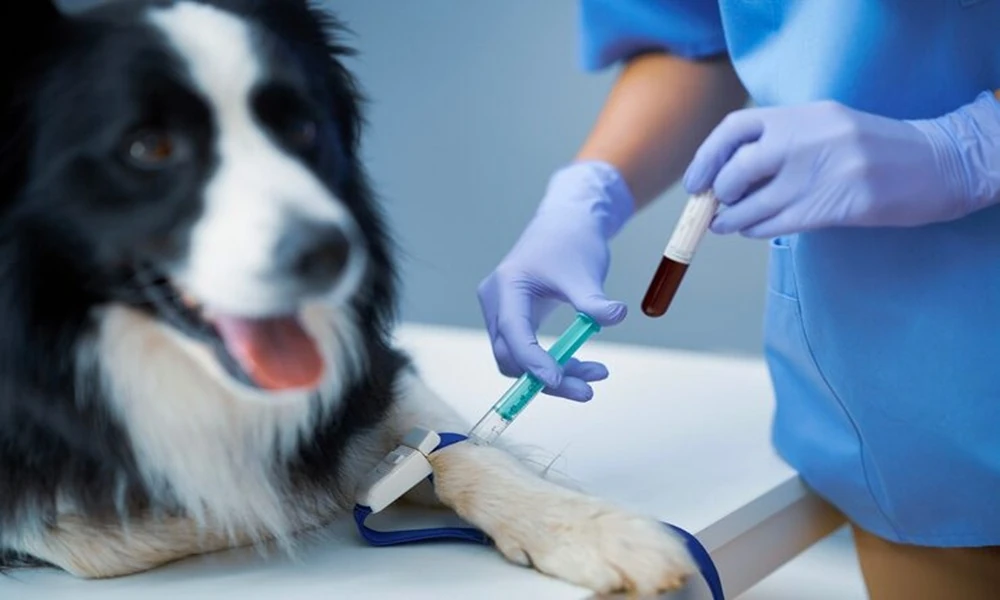
You might not notice it at first. Your pet seems a little quieter, eats a bit less, or sleeps in a new spot, and it is easy to tell yourself it is nothing. Life gets busy, and small changes can look harmless until they are not. Then suddenly you are looking back, wondering when things started and whether you missed a sign that mattered. That worry is common, and it is one reason why early checkups matter so much. The short version is simple. Animal hospitals help catch illness before it grows into a crisis, which can protect your pet’s comfort, improve treatment options, and sometimes even reduce long term costs. If you are looking for a veterinarian in Texas City, TX, early visits can make all the difference.
Why do small changes matter so much in an animal hospital setting?
Pets cannot explain what hurts, when it started, or how bad it feels. Because of that, disease often shows up in quiet ways first. A mild limp, a change in thirst, bad breath, weight loss, or a shift in mood can all point to something deeper. In a home setting, those clues can be easy to miss. In an animal hospital, they are part of a larger picture.
That is where trained observation changes everything. During an exam, a care team is not only looking at the obvious concern. They are checking heart rate, breathing, skin, eyes, ears, teeth, joints, weight trends, and behavior. They are asking whether a small symptom might connect to a larger issue like kidney disease, diabetes, infection, arthritis, or even cancer. Because of this, early disease detection in pets often starts with what seems like a routine visit.
So, where does that leave you if your pet still seems mostly fine? It means “mostly fine” is sometimes the exact stage when care can help the most. Finding a problem early can open the door to simpler treatment, closer monitoring, and better outcomes.
What can happen when disease goes unnoticed for too long?
When illness is caught late, the choices can become harder. A dental infection that started as bad breath can spread and affect eating. A small lump that seemed unchanged can turn into something more serious. Increased drinking might not just be a habit. It could point to diabetes or kidney trouble. The longer a condition develops without care, the more stress it can place on your pet’s body and on your family.
There is also the emotional side of it, which many people do not talk about enough. It is painful to wonder whether you waited too long. It can feel overwhelming to face urgent treatment, higher costs, and a pet who is suddenly very sick. That is why the role of the animal hospital matters beyond treatment alone. It is often the place where patterns are recognized before they become emergencies.
Some illnesses also affect more than one species. According to the CDC’s information on zoonotic diseases, some infections can spread between animals and people. That means early detection is not only about your pet’s health. It can also support the health of your household. The CDC also explains the value of a One Health approach, which connects animal, human, and environmental health. In plain terms, paying attention to animal illness early can have a wider effect than many people realize.
How does an animal hospital help with early disease detection better than waiting at home?
Watching your pet closely at home matters, and you know their normal habits better than anyone. Still, home observation has limits. Many conditions need hands on exams, lab work, imaging, or dental checks to be found early. A pet may hide pain well, especially cats and older animals. By the time symptoms are clear at home, the disease may already be advanced.
| Approach | What It Can Catch | Main Limitation | Likely Result |
|---|---|---|---|
| Home monitoring only | Changes in appetite, energy, bathroom habits, movement | Hidden disease often has no obvious early signs | Problems may be noticed later |
| Routine animal hospital exam | Weight loss, heart changes, dental disease, joint pain, skin issues | Needs regular scheduling | Better chance of finding concerns early |
| Exam plus bloodwork or imaging | Kidney disease, diabetes, infection, internal changes, some cancers | Added cost upfront | Earlier diagnosis and more treatment options |
This is why why animal hospitals are important for early disease detection is not just a talking point. It is a practical truth. The sooner a problem is identified, the more room there usually is to respond with care instead of urgency.
What can you do right now to support earlier detection?
1. Track your pet’s normal. Pay attention to appetite, thirst, weight, sleep, movement, and mood. If something shifts for more than a day or two, write it down. Patterns are easier to spot when you are not relying on memory.
2. Do not skip routine exams. Even if your pet seems healthy, regular visits create a baseline. That makes small changes easier to catch over time. This matters even more for senior pets, breeds with known health risks, and animals with past medical issues.
3. Ask about screening, not just treatment. If your pet is getting older or acting differently, ask whether lab work, dental evaluation, or imaging makes sense. A good conversation in an animal hospital can uncover risks before symptoms become obvious.
When should you trust your gut and schedule a visit?
If you feel that something is off, that feeling counts. You do not need to wait for a dramatic symptom to take action. A pet who is hiding more, eating less, losing weight, drinking more water, coughing, limping, or acting unlike themselves is giving you information. Even if the issue turns out to be minor, peace of mind has value too.
Pet disease screening is not about expecting the worst. It is about giving your pet the best chance at a longer, more comfortable life. Early attention can mean easier treatment, fewer surprises, and more time spent enjoying the ordinary moments that matter most.
Your pet depends on you to notice the quiet signs, and you do not have to figure them out alone. If something has changed, or if it has been a while since the last checkup, schedule a visit with an animal hospital and get ahead of problems before they grow.