

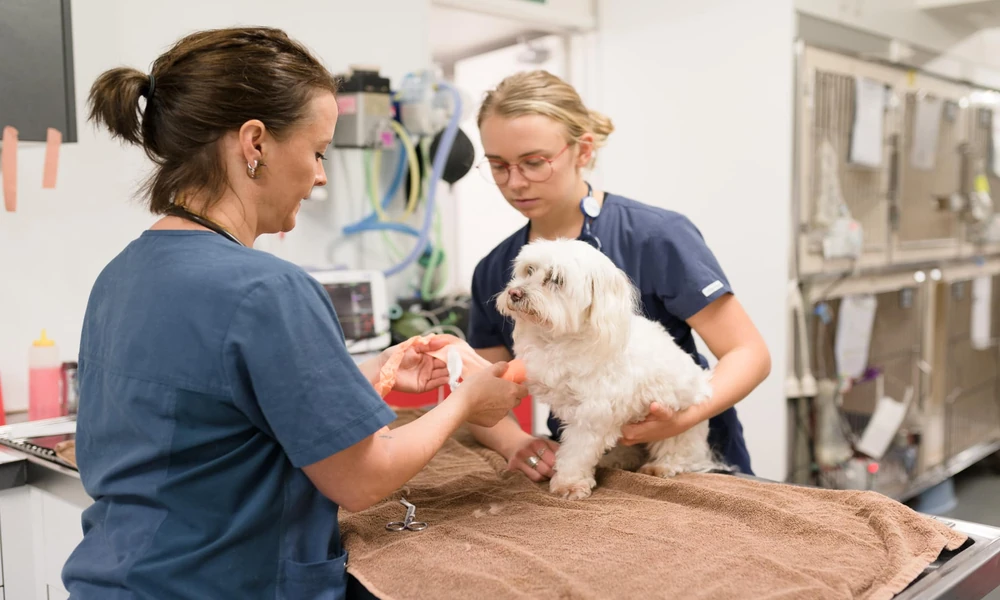
You might not think about emergency pet care until something changes in a second. One minute your dog is chasing a ball, your cat is napping in a sunny window, or your rabbit is eating breakfast. Then suddenly there is vomiting, trouble breathing, a wound, a seizure, or a storm that throws your whole routine off balance. In that moment, stress takes over, and it can be hard to know what matters most. The short answer is this. How General Veterinary Services Support Emergency Care at a North West San Antonio veterinary clinic comes down to preparation, fast assessment, steady treatment, and clear guidance when every minute feels heavy.
A general veterinarian is often the first line of care, not just for vaccines and checkups, but for urgent problems that need quick judgment. They help you spot warning signs early, stabilize your pet when possible, and connect you with higher levels of care when needed. Because of that, regular veterinary care does more than protect day to day health. It also builds the foundation for better choices during a crisis.
Why does a general veterinarian matter when an emergency turns your day upside down?
When people hear the word emergency, they often picture a specialty hospital. That care matters, of course, but many emergencies begin long before a specialist is involved. A general veterinarian knows your pet’s history, age, medications, allergies, and past health issues. That knowledge can shape faster, safer decisions. If your senior dog collapses, for example, a vet who already knows about a heart murmur or kidney disease can assess risk in a more informed way.
There is also the human side of it. During an emergency, you are trying to think clearly while scared. You may be asking yourself whether this can wait until morning, whether you are overreacting, or whether the cost will spiral. That uncertainty can delay care. A general veterinary team helps reduce that gap by giving you a place to call, a plan to follow, and a trusted voice when the situation is moving fast.
This is one reason general veterinary emergency support matters so much. It is not only about treatment in the moment. It is also about helping you decide what the moment actually is.
What kinds of urgent problems can general veterinary services help address first?
Not every emergency looks dramatic at first. A pet may simply seem quiet, refuse food, limp, hide, or breathe a little faster than usual. Yet these small shifts can point to pain, poisoning, heat stress, internal illness, or infection. A general veterinarian can evaluate many urgent concerns, including vomiting, diarrhea, allergic reactions, wounds, eye injuries, sudden weakness, urinary problems, and suspected toxin exposure.
Sometimes the goal is full treatment in the clinic. Sometimes the goal is stabilization, pain control, fluids, oxygen, wound care, or imaging before transfer. So, where does that leave you if your pet needs more than one clinic can provide? It means your regular vet still plays a central role. They can send records, explain test results, and coordinate follow-up care after the emergency passes.
This broader role becomes even more important during disasters, disease outbreaks, or large scale animal emergencies. Federal planning around animal emergency response recognizes the need for organized support systems, triage, and care coordination. You can learn more about that through the USDA APHIS page on emergency support for animals and agriculture. For clinics, teams, and owners who want to understand preparedness more deeply, the USDA also offers animal emergency training materials.
How do routine veterinary services make emergency care smoother and safer?
This is the part many pet owners do not see until they need it. Routine care creates a medical baseline. Recent bloodwork, current medications, vaccine status, weight trends, and known conditions all help a vet act faster. If a pet has diabetes, seizures, heart disease, or chronic arthritis, those details affect what medicines are safe and what symptoms are most concerning.
There is also a practical side. Pets who visit the clinic regularly are often easier to examine because the setting is familiar. Their records are up to date. Their owners already know how to reach the office and what after hours options exist. In a crisis, that cuts down confusion.
You could think of it this way. Routine care supports urgent care, and urgent care supports survival. That is the quiet strength behind veterinary services for emergency care.
What is the difference between waiting, calling a general vet, and going straight to emergency care?
| Situation | Possible Benefit | Main Risk | Best Use |
|---|---|---|---|
| Wait and monitor at home | Avoids an unnecessary trip if symptoms are mild and brief | Serious problems can worsen without clear warning | Only for minor symptoms with guidance and close observation |
| Call a general veterinarian | Fast advice based on your pet’s history and current signs | Delay if the clinic is closed or the condition is severe | Best first step for many urgent but not clearly critical problems |
| Go directly to an emergency hospital | Immediate access to advanced monitoring, imaging, and overnight care | Higher cost and more stress if the issue is less severe | Best for breathing trouble, collapse, seizures, major trauma, or toxin exposure |
The point is not that one option is always right. It is that timing matters, and guidance matters. A general veterinarian helps you sort the urgent from the life threatening, which can protect both your pet’s health and your financial choices.
What can you do right now to be more ready for a pet emergency?
1. Know your pet’s red flag symptoms.
Learn the signs that should never be ignored, such as trouble breathing, repeated vomiting, severe bleeding, inability to urinate, collapse, seizures, pale gums, or sudden bloating. If you know what counts as urgent, you lose less time second guessing yourself.
2. Keep your veterinary information in one easy place.
Save your general veterinarian’s number, your nearest emergency clinic, medication list, and recent medical records where you can reach them fast. If another person may care for your pet, share that information now, not later.
3. Build a basic emergency plan before you need it.
Have a carrier, leash, muzzle if appropriate, towels, and a pet first aid kit ready. If you live in an area prone to storms, wildfire, or evacuation, include food, water, medications, and vaccination records. General veterinarian care is not just a service when something goes wrong. It is part of being prepared when life gets unpredictable.
When everything feels urgent, what should you remember most?
You do not need to have all the answers in a pet emergency. You just need a clear next step. A general veterinarian helps provide that step through prevention, early recognition, immediate support, and coordination with emergency teams when the problem is bigger than one clinic can manage. That is the real value of a trusted general veterinarian. They help turn panic into action.
If your pet ever seems off and your instincts tell you something is wrong, do not brush that feeling aside. Reach out to a veterinary professional and get guidance as soon as you can. Quick action can make a hard moment more manageable, and in some cases, it can save a life.