

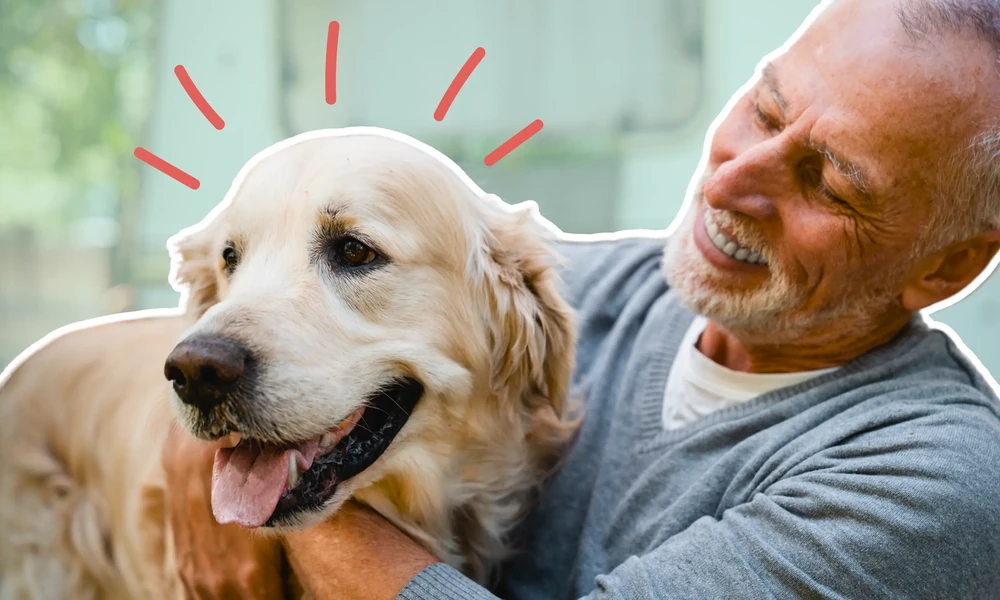
You might already know the feeling. A lost dog shows up on your street, a neighbor cannot afford urgent pet care, or a local shelter seems stretched past its limits, and suddenly animal welfare stops being an abstract idea and becomes something happening right in front of you. That can feel heavy, especially when you care but are not sure what actually makes a lasting difference. The good news is that a veterinary hospital, especially a veterinarian in Salmon Arm and Shuswap, BC, often does much more than treat sick pets behind exam room doors. In everyday, practical ways, these hospitals help protect animals, support families, and strengthen the whole community.
At the center of it all is a simple truth. When animals get timely medical care, people get better support, and local rescue systems work more smoothly. That is why 5 Ways Veterinary Hospitals Improve Community Animal Welfare is not just a feel good topic. It is a real look at how better access to veterinary care can reduce suffering before it grows into a crisis.
Why does a veterinary hospital matter beyond one pet at a time?
It is easy to think of a veterinary hospital as a place you visit only when your own cat is limping or your dog needs vaccines. But community animal welfare depends on prevention, education, and fast response. Without those things, small problems spread. An untreated ear infection becomes a painful emergency. A missed vaccine puts other pets at risk. A family under financial stress may delay care until the only options are harder and more expensive.
Because of this tension, you might wonder where the real community impact shows up. It often starts with access. A hospital that offers exams, diagnostics, surgery, and preventive care gives pet owners a place to turn before a problem spirals. That matters for owned pets, rescue animals, and even strays that pass through local shelters and foster networks.
There is also a larger standard at work. Federal guidance around veterinary oversight highlights how attending veterinarians help protect animal well being through regular care, recordkeeping, and treatment planning. If you want a closer look at that framework, the USDA APHIS explains the role of attending veterinarians in animal care settings.
How do veterinary hospitals improve animal welfare in real life?
The first way is preventive care. Wellness exams, vaccines, parasite control, and dental checks may seem routine, but routine care prevents pain that animals cannot explain in words. It also lowers the chance of disease spread in homes, boarding settings, shelters, and public spaces.
The second way is emergency and urgent treatment. When a pet is hit by a car, struggles to breathe, or stops eating, minutes matter. A hospital with trained staff and equipment can step in quickly, which can mean the difference between recovery and loss.
The third way is support for shelters, rescues, and foster groups. Many hospitals work with these organizations by treating injured animals, helping with spay and neuter services, and guiding medical plans for pets that need placement. That kind of partnership helps more animals become adoptable and stay healthy after adoption.
The fourth way is public education. Pet owners often need clear answers, not judgment. Hospitals teach families how to spot pain, manage chronic illness, prevent accidental poisoning, and understand basic nutrition. Those conversations reduce neglect that comes from confusion rather than cruelty.
The fifth way is humane oversight and professional standards. Animal welfare is not only about kindness. It is also about consistent medical protocols, proper pain management, sanitation, and follow through. USDA APHIS has published resources on veterinary care expectations and compliance, including this overview of the veterinary care rule and additional animal welfare resources for facilities and professionals.
What changes when a community relies on prevention instead of crisis care?
When care starts early, the outcome usually looks different. A dog treated for skin allergies at the first signs of itching avoids months of infection. A cat that gets regular bloodwork may catch kidney disease before it becomes an emergency. A shelter puppy that receives prompt vaccines is less likely to spread illness to a whole litter.
That is one reason community animal welfare improves when veterinary hospitals stay connected to the people around them. They do not just heal. They reduce avoidable suffering, lower long term costs, and help families keep pets in stable homes.
| Approach | What It Looks Like | Likely Community Impact |
|---|---|---|
| Preventive care | Vaccines, wellness exams, parasite control, dental checks | Fewer emergencies, less disease spread, lower long term cost |
| Crisis only care | Waiting until injury or illness becomes severe | Higher suffering, higher treatment costs, more strain on shelters and families |
| Shelter and rescue partnership | Medical treatment, spay and neuter, adoption readiness support | More animals placed safely, fewer returns, healthier rescue populations |
| Owner education | Guidance on nutrition, behavior, pain signs, home safety | Better daily care and earlier intervention |
What can you do right now to support better animal care in your area?
1. Schedule care before there is a crisis. If your pet is overdue for an exam, vaccines, or dental care, start there. Early treatment is often simpler, less painful, and less expensive than emergency intervention.
2. Ask how your local hospital supports rescue work. Many hospitals quietly help shelters, foster groups, and strays. When you know those programs exist, you can refer others, donate, or volunteer in ways that actually meet local needs.
3. Share trusted information with other pet owners. If a friend is unsure when to seek care, point them toward a veterinary professional instead of guesswork online. Clear advice at the right moment can prevent a lot of suffering.
So where does that leave you?
If you have ever felt torn between wanting to help animals and not knowing what truly moves the needle, this is a strong place to begin. Veterinary hospitals improve animal well being through prevention, emergency care, shelter support, education, and consistent medical standards. Those efforts protect more than individual pets. They help families stay together, reduce pressure on rescue systems, and create safer, healthier communities for animals overall.
When you support timely animal welfare veterinary care, you are not only responding to illness. You are helping build a community where fewer animals fall through the cracks. If you are concerned about a pet, a stray, or a local welfare issue, reach out to a trusted veterinary hospital and ask what next step makes the most sense.