

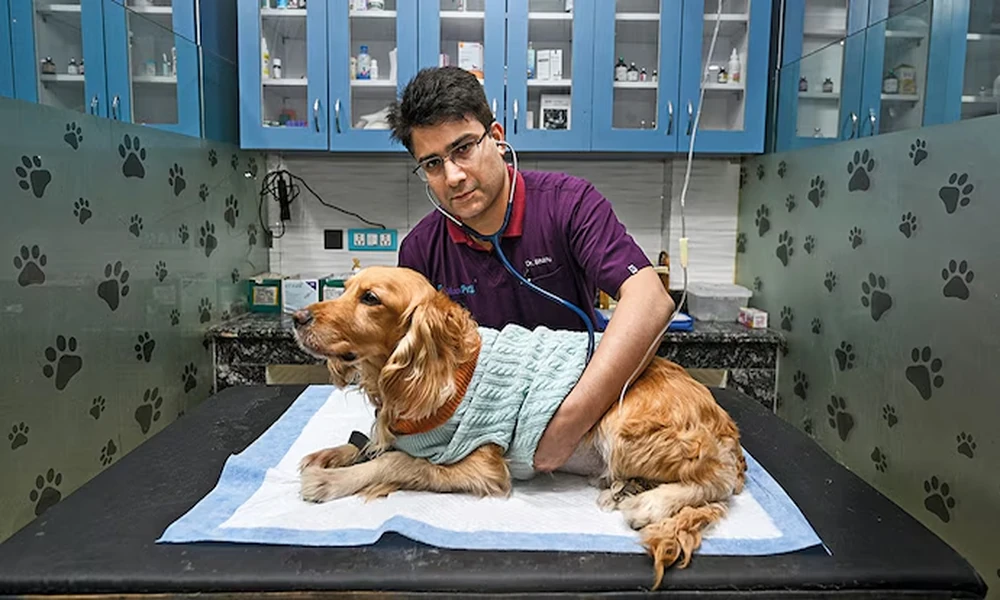
You might be feeling both excited and a little uneasy right now. Maybe your child has been begging for a puppy, kitten, or guinea pig, and you finally said yes. Or maybe the pet is already home, the kids are in love, and now you are suddenly aware of all the things that could go wrong with a young animal and a young child learning each other at the same time. That’s when many families start looking for a veterinarian in Black River to help keep everyone safe and healthy.
It can feel like a lot. You want your child to learn responsibility and kindness. You also want your pet to be healthy and safe. In the middle of that, you are trying to sort out advice from the internet, from friends, and from social media, and it is hard to know what actually matters.
Here is the short version. Pediatric pet care is a specialty that belongs in a veterinary clinic. Young animals grow fast, hide illness easily, and can spread infections without showing obvious signs. A good clinic can protect both your pet and your child, guide you on safe hygiene, and catch problems early before they become emergencies or heartbreak. Your role is not to have all the answers. Your role is to choose the right partner in care.
Why young pets and young kids are a tricky mix without expert help
Think about what is happening in your home. Your pet is learning how to live in a human world. Your child is learning how to read an animal’s body language. Both are still developing immune systems, both can be clumsy, and both can react out of fear or excitement.
The problem is that many early warning signs in animals are easy to miss. A puppy might have worms yet still be playful. A kitten might carry parasites or bacteria that can affect children, even if the kitten looks perfectly fine. According to public health guidance on hygiene practices around animals, infections often spread through simple contact, tiny scratches, or not washing hands after touching pets, food bowls, or litter boxes.
Because of this tension, you might wonder whether you can manage most things at home and only go to a vet if something “big” happens. That is where families often get caught.
What can go wrong if pediatric pet care stays “DIY” for too long?
Imagine this. Your new kitten seems fine, just a bit sleepy. Your child loves to cuddle her, sometimes close to their face. You skip the first vet visit because the kitten is eating and playing, and money is tight this month. Weeks later, your child develops an itchy rash and stomach issues. Only then do you learn that the kitten had parasites that spread easily in the home.
Or picture a young dog that nips when excited. Your child thinks it is a game and roughhouses a bit. No one is badly hurt, so you decide to “watch it” and hope the dog grows out of it. A veterinarian could have helped you read that behavior, rule out pain or illness, and refer you to a trainer before that nipping turned into a real bite incident.
The emotional cost in these situations is huge. There is guilt, fear, and sometimes the terrible choice of rehoming a pet your child loves. The financial cost can grow quickly too. An early wellness exam and vaccines are far less expensive than treating a serious disease in a pet, or dealing with medical bills for a child who gets sick from a preventable infection.
On the other hand, pediatric pet care in a veterinary clinic changes the story. The clinic becomes the place where questions are welcome, where you can ask “Is this normal?” without feeling silly, and where your child can see you model responsible, caring behavior toward animals.
How does a veterinary clinic protect both your child and your young pet?
When people talk about why young pet care is best in a vet clinic, they often focus only on vaccines. Vaccines are important, but they are only one piece.
A good veterinary clinic will usually offer:
• A full physical exam for the pet, looking for heart murmurs, joint issues, skin problems, and signs of infection that you might never spot at home.
• Parasite screening and treatment. This covers worms, fleas, ticks, and other pests that can affect children as well as animals.
• Age appropriate vaccination plans, timed to your pet’s immune system and lifestyle, not just a generic schedule.
• Guidance on safe interactions between pets and kids. This includes how to hold, pet, and play with animals in a way that keeps everyone safe.
• Discussion about which pets fit well with children of different ages. The American Academy of Pediatrics shares helpful advice on what to consider before choosing a pet, and a veterinarian can help you apply that to your specific family.
This is not just about health. It is about teaching your child that when a living being depends on you, you do not guess. You ask experts. That lesson will stay with them long after the puppy or kitten is grown.
Clinic care vs “wait and see” at home: what really changes?
You may still be weighing whether regular veterinary visits are worth the time and cost, especially if your pet seems healthy today. It can help to see the differences side by side.
| Topic | Relying on home care only | Working with a veterinary clinic |
|---|---|---|
| Detecting illness early | Issues often noticed only when symptoms are obvious and advanced. | Subtle changes found during exams, which allows earlier and usually cheaper treatment. |
| Protecting children’s health | Higher risk of unnoticed parasites or infections passing to kids. | Regular parasite checks, vaccines, and hygiene guidance reduce that risk. |
| Behavior and safety | “They will grow out of it” approach, which can allow bad habits to set in. | Early behavior advice and referrals to trainers before problems escalate. |
| Costs over time | Lower up front. Higher if emergencies or serious illness occur. | Predictable preventive costs. Lower chance of sudden large bills. |
| Emotional stress | More worry and guesswork. Harder conversations if things go wrong. | Ongoing guidance, clearer decisions, and more confidence for your child and you. |
When you look at it this way, veterinary care becomes less of an optional extra and more of a foundation. It supports your pet’s health, your child’s safety, and your peace of mind at the same time.
Three practical steps you can take right now
1. Schedule a pediatric wellness visit for your pet
If your young pet has not been to a veterinary clinic in the last few weeks, make that your first move. Mention your child’s age and any health issues when you book. Ask for a full wellness exam, parasite check, and vaccine review. Bring a list of your questions, even the small ones, and invite your child to ask some too. This turns the visit into a learning experience, not just a medical one.
2. Set simple family rules for pet and child interaction
Before the appointment, write down three to five clear rules that everyone follows. For example, “No face kissing,” “Wash hands after touching the pet or their things,” and “Let sleeping pets sleep.” At the clinic, ask your veterinarian to review or adjust these rules. Hearing the same guidance from a professional can make children more likely to follow it.
3. Create a shared “care plan” your child can help with
Young children feel calmer when they know what to expect. Ask the clinic for a simple care schedule. This might include feeding times, grooming, litter box or yard clean up, and future vaccine dates. Turn part of this into age appropriate tasks for your child, such as brushing, refilling water, or helping you track the calendar. This makes the pet’s care feel organized, instead of one more thing you are trying to remember at midnight.
Where does this leave you and your family?
You do not need to be an expert in animal health to be a good pet parent. You only need to be willing to ask for help and to choose a veterinary clinic that treats your child and your pet as a team.
When pediatric pet care in veterinary clinics becomes your norm, you give your child a powerful message. Living creatures deserve thoughtful care. When you are unsure, you do not wait and hope. You reach out to someone who knows how to help.
Your next step can be simple. Look up a trusted veterinary clinic near you. Book that first or next wellness visit. Bring your questions, your concerns, and your hopes for the bond between your child and your pet. You are not behind. You are taking the right step at the right time.