

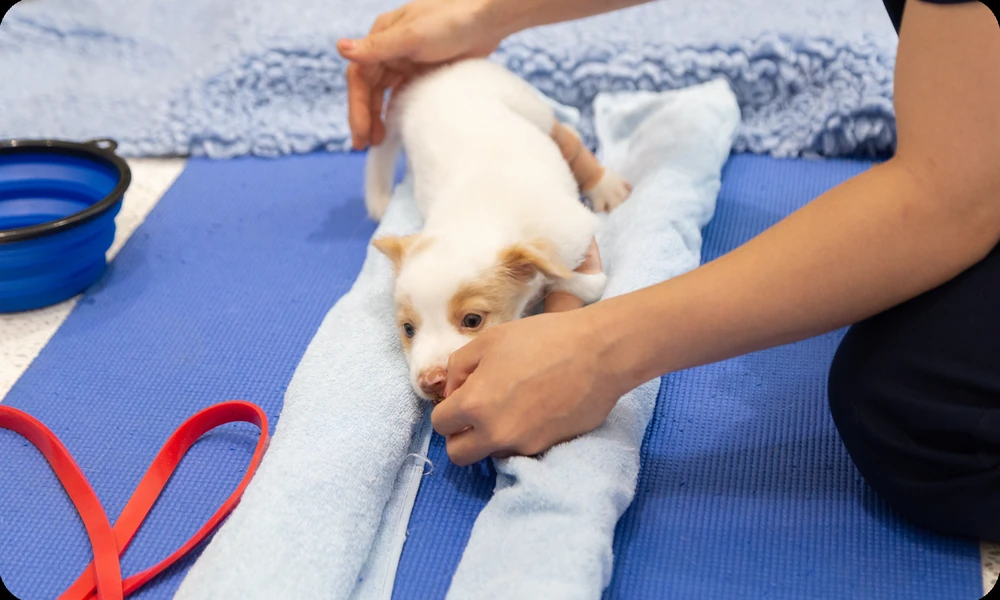
You might be feeling that strange mix of relief and worry that comes after your pet’s surgery. The procedure is over, which matters, but now you are home with instructions, medications, and a nervous sense that every step your dog or cat takes could matter. That feeling is common, especially when your pet seems tired, sore, or not quite like themselves. The short answer is this. Surgery is only one part of healing. Recovery often depends on what happens next, and that is why an animal hospital and a veterinarian in Kelowna play such an important role in postoperative care, pain control, follow-up checks, and safe rehabilitation.
Once you are back home, the questions tend to get louder. Is this swelling normal? Should they be eating more? What if they jump on the couch? What if they refuse to walk? Because of this tension, you might wonder whether follow-up visits are really necessary, or whether rest at home is enough. In many cases, skilled hospital-based support can make the difference between a smooth recovery and a setback that leads to more pain, more cost, and more stress for both of you.
Why does post-surgery rehabilitation matter so much after the procedure is done?
It is easy to think of surgery as the main event, but healing is a process, not a single day. Tissues need time to repair, bones may need to knit together, and your pet’s body has to adjust while avoiding strain. During this stage, movement needs to be controlled, pain needs to be managed, and small warning signs need to be caught early. That is where an animal hospital after surgery recovery plan becomes so important.
For example, a dog recovering from a fractured limb may look eager to run long before the bone is ready for normal activity. A cat may hide pain so well that an owner assumes everything is fine, even while discomfort is slowing healing. According to the American College of Veterinary Surgeons, pets recovering from orthopedic procedures and fractures often need careful restriction, repeat exams, and imaging to track progress. Their guidance on fractured limbs in small animals shows just how much proper aftercare affects the final outcome.
So, where does that leave you? It means your pet may need more than love, rest, and medication at home. They may also need professional monitoring, wound care, bandage checks, physical support, and changes to the recovery plan as healing unfolds.
What can go wrong when postoperative care is handled without hospital support?
The challenge is not that owners do not care. It is usually the opposite. You care deeply, and that can make it harder to judge what is normal. A little licking at the incision can turn into a wound problem. A missed dose of pain medicine can lead to stiffness and less movement. Too much movement can reopen a surgical site or strain a repair. Too little movement, in some cases, can slow strength and mobility.
There is also the emotional side. When your pet cries, refuses food, or seems withdrawn, it can be hard to know whether to wait, call, or rush in. Financial concerns can add another layer. Some families delay follow-up care because they hope to avoid extra cost, but untreated complications often become more expensive than early intervention.
This is one reason post surgical pet rehabilitation is not just about exercise. It includes pain management, nutrition, incision monitoring, safe activity limits, and regular reassessment. The ACVS explains in its guide to postoperative care after surgery that owners should expect discharge instructions, medication plans, and clear warning signs to watch for. That kind of structure helps you act early instead of guessing late.
How does an animal hospital help with recovery in ways home care alone often cannot?
Animal hospitals bring together tools and training that are hard to replace at home. Your pet can be checked for infection, pain, swelling, poor healing, and changes in mobility. If something is off, the care team can adjust medications, rebandage a wound, recommend crate rest, or order imaging. For pets healing from orthopedic surgery, this level of supervision can be especially important.
There is also a practical benefit. Hospital teams can show you how to carry your pet safely, how to use a sling, how to give medication with less stress, and how to create a recovery space that limits risk. That kind of guidance protects both healing tissue and your peace of mind.
| Recovery Approach | Possible Benefits | Common Risks |
|---|---|---|
| Home care only | Lower short-term cost, familiar setting, less travel stress | Missed warning signs, incorrect activity level, delayed response to complications |
| Home care with scheduled animal hospital follow up | Better monitoring, medication adjustments, guided rehab, stronger healing support | More appointments, added short-term cost |
| Hospital directed rehab for complex cases | Close supervision, advanced pain control, tailored mobility plan, imaging when needed | Higher cost, more time commitment |
For many pets, the middle path is the best one. Rest and comfort at home, paired with regular check-ins at an animal hospital, often gives owners the support they need without losing sight of early problems.
What can you do right now to support safer healing?
1. Follow the discharge plan exactly.
If the instructions say no stairs, no jumping, or leash walks only, treat that as part of the treatment, not a suggestion. Healing tissue is fragile even when your pet seems brighter. Write down medication times, feeding notes, bathroom habits, and any changes in behavior.
2. Watch for small changes, not just emergencies.
Call your animal hospital if you see redness, swelling, discharge, bad odor, loss of appetite, vomiting, trouble using a limb, or sudden restlessness. You do not need to wait for a crisis. Small concerns are often easier to fix when caught early.
3. Ask for a rehabilitation roadmap.
Do not settle for “just let them rest” if your pet had a major procedure. Ask when movement should increase, when rechecks are needed, and what signs show progress. This is especially helpful after orthopedic procedures, abdominal surgery, or any repair that can be disrupted by too much activity.
When you are worried about healing, what matters most?
What matters most is remembering that recovery is active care, not passive waiting. Your pet may look small and resilient, but healing asks a lot from their body. Why Animal Hospitals Are Crucial in Post-Surgery Rehabilitation comes down to one simple truth. Professional follow-up helps protect the result of the surgery itself.
If your pet is recovering now, trust your concern. Ask questions, keep the follow-up appointment, and lean on your animal hospital for guidance. That support can ease fear, catch problems early, and give your pet the best chance at a steady return to comfort and movement.