

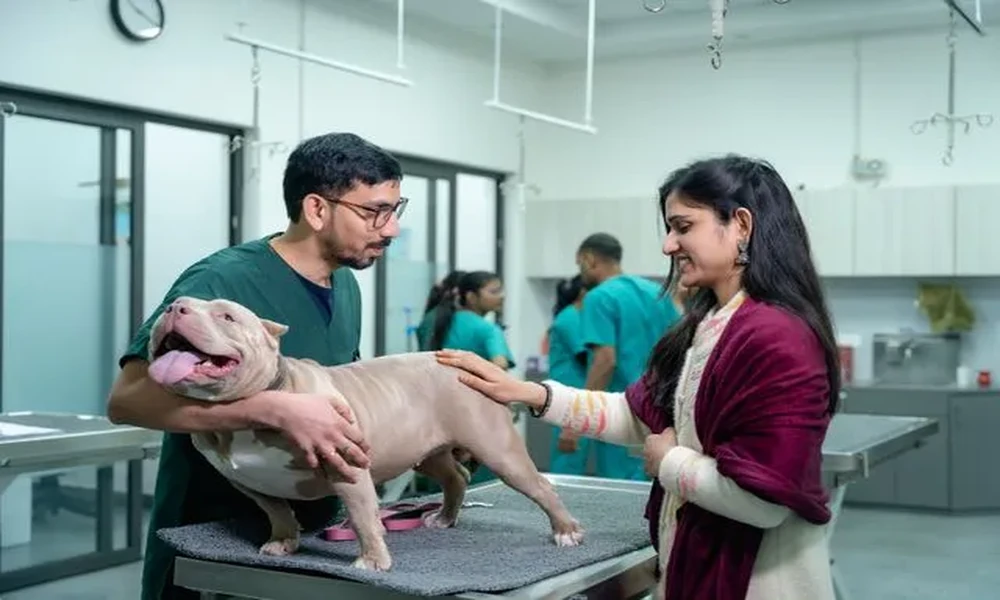
You might not think much about preventive care when your pet seems fine. Most people do not. Life gets busy, and it is easy to put off a visit to a trusted veterinarian in Encinitas when your dog is still chasing toys and your cat still naps in the same sunlit spot, believing that no news is good news. Then something changes. Maybe your pet stops eating, starts limping, or needs treatment that feels sudden and expensive. That is often the moment when many owners realize how much can happen quietly before symptoms show up.
That is why the growing role of animal hospitals in preventive health matters so much. It is not only about treating illness once it appears. It is also about catching concerns early, reducing pain before it grows, and giving you a clearer plan for your pet’s long term care. In simple terms, regular preventive visits can help protect your pet’s comfort, your peace of mind, and your budget.
Why are animal hospitals doing more than treating emergencies?
For a long time, many people thought of an animal hospital as the place you went when something was wrong. That is still true, of course, but the role has expanded. Today, an animal hospital often serves as a center for wellness care, screenings, vaccines, nutrition guidance, dental care, parasite control, and age related monitoring. That shift matters because pets age faster than people, and health problems can build quietly between obvious crises.
So, where does that leave you? It means routine visits are no longer just a box to check. They are a way to spot patterns early. Weight gain, bad breath, changes in thirst, skin issues, and small behavior shifts can point to larger concerns. According to primary care guidance from UC Davis Veterinary Medicine, regular wellness care supports early detection, disease prevention, and ongoing management for pets at every life stage.
That early detection can change outcomes in a very real way. A mild dental issue caught at a checkup may be handled before it becomes painful infection. A small change in lab work may reveal a condition before your pet appears sick at home. A conversation about diet may prevent obesity, which can affect joints, heart health, and energy. This is the quiet power of preventive pet care. It works before things feel urgent.
What problems can preventive health catch before they become serious?
One of the hardest parts of pet ownership is that animals often hide discomfort. By the time you notice a clear problem, your pet may have been dealing with it for weeks or months. That is one reason animal hospitals in preventive health are taking on a larger role. They are set up to look for what you cannot easily see at home.
Dental disease is a strong example. Many owners assume bad breath is normal, but it can point to infection and pain. Texas A&M explains why pet dental care is important, including the risk that untreated dental disease can affect more than the mouth. The same pattern shows up with parasites, arthritis, kidney disease, and chronic ear or skin issues. Small signs often come first. Without regular checks, those signs can be missed.
There is also a larger public health side to this conversation. Careful preventive medicine helps reduce unnecessary antibiotic use by identifying the right treatment at the right time. The FDA outlines concerns around antimicrobial resistance in animal health, which matters for pets and people alike. When an animal hospital uses exams, testing, and follow up wisely, it supports better care and more responsible medication decisions.
How does preventive care compare with waiting until something goes wrong?
When money is tight, it can feel easier to postpone a wellness visit and hope for the best. That feeling is understandable. Still, waiting often leads to more stress, more pain for your pet, and higher costs later. A simple comparison can help make that clearer.
| Approach | What It Usually Includes | Likely Outcome |
|---|---|---|
| Routine preventive care | Exams, vaccines, dental checks, parasite prevention, weight monitoring, basic lab work when needed | Earlier detection, steadier costs, less chance of a sudden crisis |
| Wait for symptoms | Care starts only after vomiting, limping, pain, appetite loss, or behavior changes appear | Higher chance of advanced illness, urgent treatment, and larger bills |
| Emergency only care | Hospital visit during severe illness or injury | Fast response when needed, but often after a problem has already worsened |
This does not mean preventive care removes all risk. Pets can still get sick, and some conditions develop despite attentive care. What it does mean is that a strong relationship with an animal hospital gives you a better chance to act early, ask smart questions, and avoid the feeling of being blindsided.
What can you do right now to support your pet’s health?
1. Schedule wellness visits based on life stage.
Puppies, kittens, senior pets, and animals with ongoing conditions often need more frequent checkups. If your pet has not been seen in a while, start there. A current exam creates a baseline, and that makes future changes easier to catch.
2. Track small changes at home.
Pay attention to appetite, water intake, bathroom habits, breath, weight, movement, and mood. You do not need a perfect system. Even a short note on your phone can help you remember when a change began, and that information can be useful during a visit.
3. Ask for a preventive care plan, not just a one time fix.
If your pet sees a veterinarian, ask what to watch for over the next six to twelve months. Ask about dental care, vaccines, parasite prevention, nutrition, and age related screenings. A good plan makes care feel more manageable because you know what is coming and why it matters.
What does the growing role of animal hospitals in preventive health mean for you?
It means you do not have to wait for a crisis to take your pet’s health seriously. It means an animal hospital can be more than a place for emergencies. It can be a partner in protecting comfort, catching problems early, and helping you make calm decisions before stress takes over.
If you have been putting off a wellness visit, that does not mean you have failed your pet. It just means now is a good time to reset. Preventive care is not about perfection. It is about paying attention, taking the next step, and giving your pet the best chance at a longer, healthier life.