

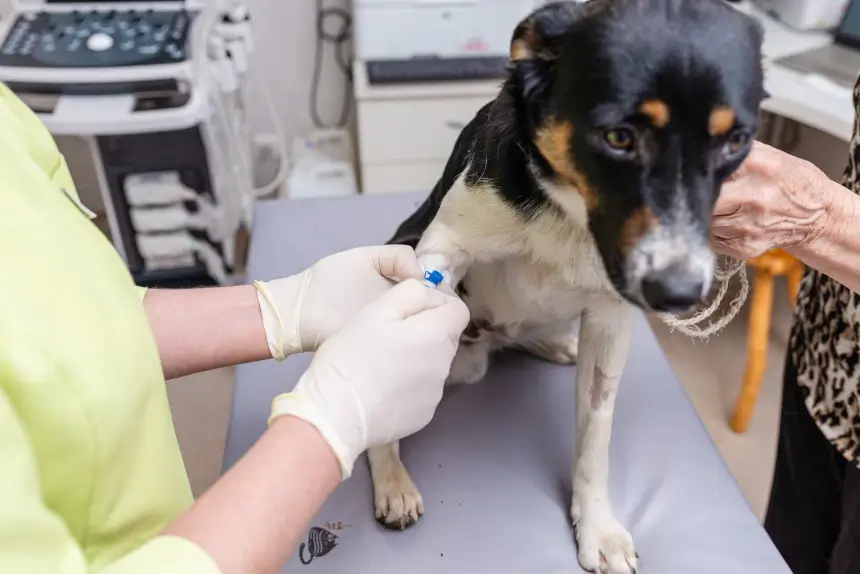
You might be living in two different moments at once. There was life before the diagnosis, when your pet was simply your steady companion, and there is life after, when every meal, nap, and change in energy can feel loaded with meaning. That kind of news can leave you scared, guilty, and unsure of what comes next. If that is where you are, you are not overreacting. You are trying to care for someone you love, and support from a veterinary clinic in Westminster CO can help you navigate what comes next.
The good news is that cancer care is not only about fighting disease. It is also about comfort, dignity, and helping your pet feel safe day by day. How veterinary clinics provide comfort for pets with cancer often comes down to pain control, nausea relief, nutrition support, calm handling, and honest guidance for you, so you can make choices with more clarity and less fear.
What changes after a diagnosis, and how can a veterinary clinic help?
Once cancer enters the picture, even normal routines can feel uncertain. You may start watching for signs you never had to think about before. Is your dog eating less because of stress, pain, or nausea? Is your cat hiding because she is tired, or because she hurts when she moves? Because of this tension, you might wonder whether treatment always has to mean aggressive care. It does not.
A veterinary clinic can help by focusing on quality of life from the start. That may include pain medicine, anti-nausea medication, appetite support, fluid therapy, and changes to the home routine that reduce strain. In many cases, clinics also talk with families about palliative care, which is treatment aimed at comfort rather than cure. Cornell’s guidance on palliative treatment for pets with cancer explains how symptom relief can improve daily life, even when the disease cannot be removed.
This matters because pets do not explain their pain in words. They show it in quieter ways. Less interest in food, trouble getting comfortable, pacing at night, withdrawal, panting, limping, or a change in grooming can all be clues. A good clinic does not just look at test results. It looks at the whole animal in front of them, and the family trying to help.
Why does comfort care matter so much when pets have cancer?
When people hear the word cancer, they often jump straight to treatment plans, cost, and survival time. Those questions are real, and they matter. But comfort care matters because it protects the life your pet is living right now. If your pet can rest, eat, move with less pain, and still enjoy familiar things, that is meaningful care.
For some families, treatment such as surgery, chemotherapy, or radiation may be part of the plan. For others, age, other health issues, finances, or the cancer itself may make a gentler path the better fit. The FDA offers a useful overview of what to know when a dog has cancer, including common treatment options and questions to ask your veterinarian.
So, where does that leave you if you are trying to decide? Usually, it comes down to a simple but hard question. What will help your pet feel the most like themselves for as long as possible? A caring veterinary clinic for pet cancer support helps you answer that without pressure. The goal is not to chase every possible option. The goal is to make thoughtful choices that fit your pet’s needs and your family’s reality.
What kinds of comfort support do veterinary clinics often provide?
Pet cancer comfort care usually includes more than one kind of support, because cancer affects the body in different ways. Pain management is often the priority, especially if the cancer involves bones, nerves, or inflammation. Clinics may also prescribe medication for nausea, diarrhea, anxiety, or breathing discomfort, depending on the diagnosis.
Nutrition support is another big part of care. Some pets need softer food, smaller meals, warming food to improve smell, or appetite stimulants. Others may need help staying hydrated. Clinics can also suggest home changes, such as non-slip rugs, raised bowls, softer bedding, ramps, or a quieter room where your pet can rest without being bothered.
There is also the emotional side. Gentle handling, shorter appointments, clear follow-up plans, and quality of life check-ins can reduce stress for both you and your pet. That is one reason a strong veterinary clinic relationship matters so much. It gives you a place to ask, “Is this normal?” before a hard day turns into a crisis.
Which comfort options may help most right now?
| Comfort Need | How a Veterinary Clinic May Help | What You May Notice at Home |
|---|---|---|
| Pain control | Prescribe pain medicine, adjust dosing, monitor side effects | Easier movement, better sleep, less panting or hiding |
| Nausea or poor appetite | Use anti-nausea drugs, appetite support, diet changes | More interest in food, less drooling or vomiting |
| Mobility problems | Recommend joint support, rest plans, home safety changes | Fewer slips, less struggle standing or lying down |
| Stress and anxiety | Offer calming medication, low stress visits, routine guidance | Less pacing, easier travel, calmer recovery after appointments |
| End of life planning | Discuss quality of life, prepare for urgent changes, explain options | More confidence about when to call and what to expect |
What can you do today to help your pet feel safer and more comfortable?
1. Start tracking daily quality of life. Write down appetite, water intake, bathroom habits, sleep, breathing, mobility, and interest in family activities. Small changes are easy to miss when you are close to them every day. A simple log helps you and your veterinary clinic spot patterns sooner.
2. Ask for a comfort-focused plan, not just a treatment plan. It is okay to say, “I want to understand how to keep my pet comfortable this week.” That question can open the door to pain relief, home care tips, and realistic next steps. A good clinic will welcome that conversation.
3. Prepare your home around your pet’s weak spots. If standing is hard, add rugs and supportive bedding. If eating is hard, try smaller meals and a quiet feeding area. If your pet tires easily, shorten walks and protect rest time. These changes may seem small, but they can make each day easier.
How do you move forward when you love your pet and feel overwhelmed?
You do not have to solve everything at once. The next right step may simply be making your pet more comfortable today, then asking better questions tomorrow. Cancer changes the path, but it does not erase the care, warmth, and connection your pet feels from you. That still matters, deeply.
If you are facing difficult choices, reach out to a trusted veterinary clinic and ask for guidance centered on comfort, quality of life, and clear options. The right support can help you feel less alone, and it can help your pet feel more at ease in the moments that count.