

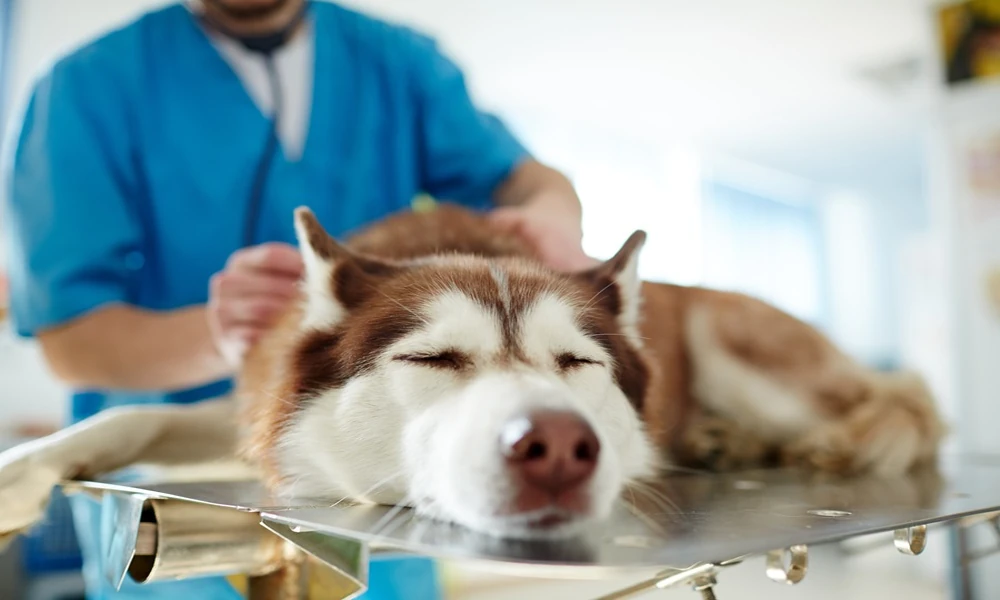
You might be watching your pet after a procedure, noticing the small things that do not feel small at all. The way they hesitate before lying down. The little flinch when they move. The fact that they are not quite themselves. You know they cannot tell you where it hurts, and that can leave you feeling helpless, worried, and even guilty for putting them through treatment in the first place. A trusted veterinarian in Acworth, GA can help guide you through these moments and support both you and your pet.
That mix of relief that the treatment is over and fear that they might be suffering is very real. You are not overreacting. Pain after surgery or medical treatment is common, and it can be managed, but it needs a plan. The short version is this. Modern veterinary hospitals use careful pain scoring, tailored medication plans, and non-drug therapies to keep pets as comfortable as possible after treatment. Your role is to watch, ask questions, and stay in close contact with your veterinary team so pain never has the chance to get out of control.
So how do veterinary hospitals actually manage post-treatment pain, and what can you do to support your pet through recovery with less stress for both of you?
Why post-treatment pain feels so scary when you get home
Often it starts at discharge. Your pet is still a bit groggy, you are handed a bag of medications and a sheet of instructions, and then you walk out the door wondering if you will know what to do if something seems off. At the clinic, your pet was monitored constantly. At home, it is just you, your pet, and your worry.
The emotional weight here is real. You might be asking yourself things like. How do I know if my pet is in pain or just tired? What if I give too much medication? What if I miss something and they suffer? That anxiety can make every whine, every quiet moment, feel like an emergency.
On top of that, there are practical concerns. Pain that is not controlled can slow healing, change behavior, and even affect long-term health. Poorly managed pain can mean more follow-up visits, more medication adjustments, and higher costs. Because of this tension between your concern and the uncertainty of what is “normal,” it helps to understand what modern post treatment pain control for pets actually looks like inside a veterinary hospital.
What really happens inside a veterinary hospital to control pain
Good pain management is not just one injection before surgery and a tablet to take home. It is a process that often begins before the procedure and continues well after your pet leaves the hospital.
Many hospitals now follow structured pain management guidelines for dogs and cats that recommend planning ahead, using more than one type of pain relief, and adjusting based on regular pain scoring. You can see an example of these updated approaches in the AAHA pain management guidelines for dogs and cats.
Here is how that usually plays out.
Before treatment, your veterinarian assesses your pet’s age, health, and the expected level of pain. They choose a combination of drugs such as anti-inflammatory medications, opioids, or local anesthetics to block pain at different points. This is called multimodal pain management, and it lets them use lower doses of each medication with better overall relief.
During and right after the procedure, the team monitors your pet’s heart rate, breathing, posture, and reactions to touch. Many hospitals use standardized pain scales, like those described in newer research on veterinary pain assessment, to make these decisions more objective. If your pet shows signs of discomfort, they adjust medication quickly instead of waiting for pain to escalate.
As your pet wakes up, the hospital staff checks for subtle signs. A cat that hunches and hides. A dog that refuses to lie down or cannot settle. A change in facial expression. Current global pain management guidelines emphasize this kind of ongoing evaluation so pain relief stays ahead of the problem.
Only when your pet is reasonably comfortable and stable does the team talk with you about going home. They review medications, show you how to give them, and explain what is normal and what is not. If your veterinary hospital is following best practices, they will also plan a follow-up call or visit to reassess pain and healing.
So where does that leave you once you walk through your own front door?
Home care vs veterinary hospital support. What really changes after discharge
Once your pet is home, the setting changes, but the goal is the same. Keep pain controlled so healing can happen. You become the eyes and ears, and the hospital becomes your guide. Understanding the difference between what you can safely do at home and what needs professional help can calm a lot of the anxiety.
| Aspect | Home care by you | Care in a veterinary hospital |
|---|---|---|
| Pain monitoring | Watching behavior, appetite, activity, and sleep. Noting changes and patterns. | Use of formal pain scores, physical exams, and continuous observation by trained staff. |
| Pain medications | Giving prescribed drugs on schedule, never changing dose without guidance. | Adjusting type, dose, and route of drugs quickly based on response. |
| Comfort measures | Soft bedding, quiet room, controlled movement, gentle handling. | Temperature control, padded cages, IV fluids, nursing care for repositioning. |
| When pain worsens | Call the clinic, possibly returning for recheck or stronger medication. | Immediate access to injectable drugs, oxygen, and advanced monitoring. |
| Cost impact | Lower direct cost, but risk of extra visits if pain is not well controlled. | Higher short-term cost, but better control may reduce complications and delays in healing. |
This comparison is not about choosing one or the other. It is about understanding that post-treatment pain management is a shared job. The veterinary hospital sets the plan and handles the higher risk parts. You carry that plan into your home, where your pet feels safest, and you act early when something does not look right.
Three steps you can take right now to support your pet’s pain relief
1. Learn your pet’s “pain language” before and after treatment
Every animal has its own quiet ways of showing discomfort. Before any procedure, pay attention to how your pet normally moves, sleeps, and interacts. After treatment, watch for changes such as restlessness, hiding, refusal to lie down, panting at rest, growling when touched, or a different posture. Write down what you see with times. This simple record can help your veterinary team fine-tune veterinary pain management after surgery instead of guessing from a vague description.
2. Follow the medication schedule exactly, and speak up early
It can be tempting to skip or delay a dose if your pet “seems fine,” or to give extra if they seem uncomfortable. Both can cause problems. Many pain medications work best when given on a schedule, keeping a steady level in the body. Use alarms or a chart so doses are not missed. If pain seems to break through, do not adjust on your own. Call the veterinary hospital, explain what you are seeing, and ask if the plan should be changed. Early adjustments are almost always easier than trying to pull pain back under control once it has surged.
3. Create a calm, safe recovery space and limit activity
Comfort is not just about drugs. Prepare a quiet area with soft, non-slip bedding, easy access to water, and room to stretch without jumping or climbing. Block off stairs if needed. Use a crate or small room if your veterinarian recommends strict rest. Avoid rough play, long walks, and unsupervised time with other pets or children until your veterinary team clears it. When the environment supports healing, your pet’s body needs less effort to cope with pain, and the medication you give works more effectively.
Moving forward with more confidence and less fear
You care deeply about your pet, which is why post-treatment pain can feel so heavy. You are not expected to be an expert, and you do not have to handle this alone. A modern veterinary hospital has tools, guidelines, and experience that are all aimed at one clear goal. Reduce suffering and support healing.
Your role is powerful. Ask questions before the procedure. Request clear instructions for pain control at home. Keep notes on what you see. Call if something feels wrong, even if you are not sure. When you and your veterinary team work together, pain becomes something planned for and managed, not something you just hope will pass on its own.
Your pet does not understand the treatment they went through, but they do understand your presence, your calm voice, and the comfort you provide. With thoughtful support from your veterinary hospital and steady care from you, recovery can be quieter, safer, and far less painful than you might fear right now.