

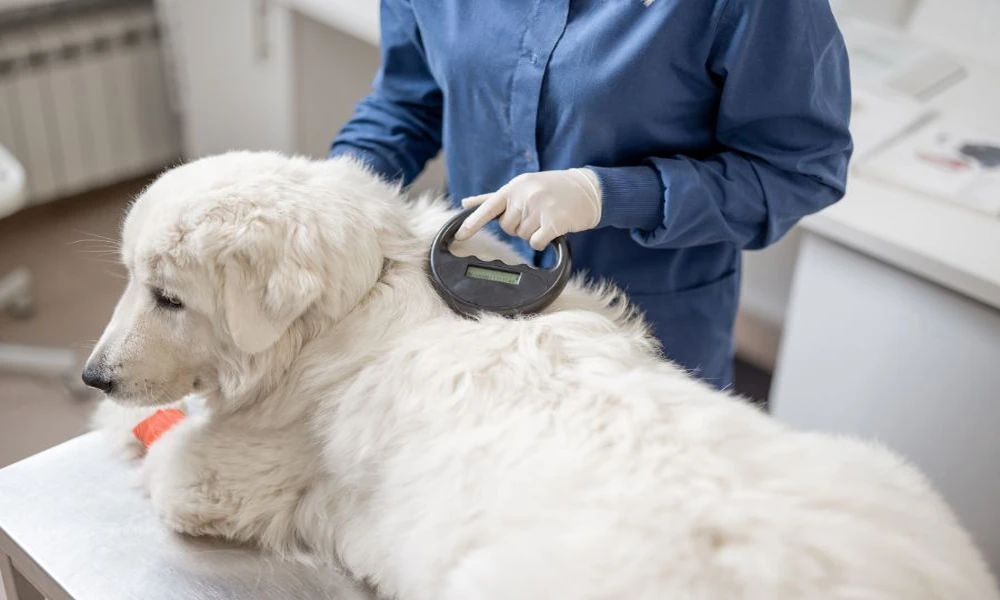
You might be feeling a quiet worry every time your pet slows down a little, skips a meal, or seems just “off.” You tell yourself it is probably nothing, but in the back of your mind there is a question you cannot shake. At an animal hospital in Lake Charles, you might find yourself wondering the same thing. Is my pet getting the care that truly keeps them healthy for the long run, or are we only reacting when something goes wrong?end
That tension is very common. Many pet owners love their animals deeply, yet feel unsure about how to choose the right animal hospital or what “good care” really looks like. You might have picked the closest clinic, or the one a friend mentioned once, and hoped for the best. When it comes to your pet’s lifespan, though, hope needs to be backed by informed choices.
Here is the short version. Choosing the right animal hospital is one of the most powerful ways to protect your pet’s health and extend their life. The right team does more than give vaccines and treat emergencies. They catch problems early, prevent serious diseases, guide you through hard decisions, and support you emotionally as well. The wrong fit can mean missed warning signs, more stress, and preventable suffering.
So where does that leave you when you just want your pet to live a long, comfortable life and you are not sure how to judge the care they receive?
How does the wrong animal hospital quietly shorten a pet’s life?
Think of a pet’s health like a long story. Problems rarely appear overnight. They build slowly. A little weight gain. A mild cough. Slight stiffness in the morning. Alone, each sign may seem small. Put together over time, they can point to heart disease, diabetes, arthritis, or other chronic problems that shorten life if they are not managed early.
The problem is that in a rushed, transactional clinic visit, these patterns can be missed. Maybe the vet is in and out in five minutes. Maybe no one asks about behavior changes at home. Maybe you walk out with a quick diagnosis and some medicine, but no plan for the months and years ahead. It can feel like you are always reacting, never preventing.
Emotionally, this wears on you. You might feel guilty for not noticing things sooner. You might feel brushed off when you raise concerns. When your pet finally has a serious issue, you can be left wondering if better care could have changed the outcome.
Financially, reactive care is often more expensive. Treating advanced heart disease, severe dental infections, or late-stage kidney problems costs far more than early screening and routine prevention. Hospital stays, emergency visits, and complicated treatments all add up, and they often appear at the most stressful moments.
So what changes when you choose a truly strong animal hospital for long-term pet health instead?
What does a “right” animal hospital actually do differently?
A good animal hospital does not just treat symptoms. It partners with you to extend your pet’s healthy years. That partnership shows up in many small but important ways.
For example, think about heartworm disease in dogs and sometimes cats. It is a serious, potentially fatal condition carried by mosquitoes. Treating heartworm once it is established is risky and expensive. Yet with regular testing and prevention, your pet may never have to face it. The U.S. Food and Drug Administration shares clear information on keeping heartworms out of your pet’s heart. A careful hospital team uses guidance like this, talks with you about your pet’s lifestyle, and sets up a prevention plan that actually fits your life.
Now think about routine checkups. A rushed clinic might treat them as quick vaccine visits. A strong hospital treats them as full health reviews. They check teeth, joints, heart, weight, skin, and behavior. They ask real questions about how your pet eats, sleeps, and moves at home. They recommend age-appropriate bloodwork. They explain why something matters, not just what it costs.
During your pet’s veterinary visit, you should feel involved and heard. The American Veterinary Medical Association has helpful guidance on what to expect and how to prepare. A good hospital welcomes that kind of preparation. They do not rush your questions. They see you as part of the medical team.
Over the years, this difference becomes huge. Small problems are caught early. Preventive care is consistent. Treatment plans are realistic for your budget. Most of all, you understand what is happening and why, which lowers your stress and helps you make better decisions.
What should you compare when choosing an animal hospital?
It can be hard to judge quality from the outside. Fancy buildings do not always mean better care. To make it clearer, here is a simple comparison of a more reactive clinic experience versus a more proactive, longevity-focused animal hospital.
| Area of Care | Reactive Clinic | Proactive Animal Hospital |
|---|---|---|
| Approach to visits | Quick, focused on today’s problem only | Time for questions, reviews history, looks at long-term health |
| Prevention focus | Vaccines only, limited discussion of parasites and lifestyle risks | Personalized vaccine schedule, heartworm and parasite prevention, diet and weight planning |
| Screening tests | Tests done only when your pet is already sick | Routine bloodwork, dental checks, and age-based screenings to catch problems early |
| Communication style | Short explanations, medical jargon, few options discussed | Clear language, explains options and costs, invites your input |
| Emergency readiness | Limited equipment or referral relationships | Access to diagnostics, clear plan for after-hours or specialty care |
| Impact on pet longevity | Higher risk of late diagnosis and preventable crises | Earlier intervention, better chronic disease control, longer healthy lifespan |
When you read this, you might notice that none of it is about perfection. It is about a pattern. A hospital that consistently thinks ahead, explains clearly, and treats you like a partner will usually support your pet’s longevity far better than one that only responds when something is obviously wrong.
What can you do right now to choose better care for your pet?
You do not need to become a medical expert. You simply need to ask the right questions and watch how a clinic responds. Here are three steps you can take immediately to move toward the right pet hospital for long life and wellness.
1. Evaluate how the team listens and explains
Call or visit your current animal hospital and pay attention to how you are treated. When you ask about vaccines, heartworm prevention, or nutrition, do they give short, rushed answers, or do they take a moment to explain your options and why they recommend a certain plan? Do they ask follow-up questions about your pet’s lifestyle, like outdoor time, travel, or other animals at home?
If you feel dismissed or confused every time you leave, that is not a small thing. Clear, respectful communication is often a reliable signal of better medical care, because it shows the team values partnership and careful thinking.
2. Review the clinic’s approach to preventive care
Look at your pet’s recent medical history. Have they had regular wellness exams, not just vaccine visits? Has anyone discussed dental care, weight management, or age-related screenings? Are you on a consistent schedule for parasite and heartworm prevention, tailored to your area and your pet’s risks?
If the answer to many of these is no, consider asking the clinic directly how they approach prevention and longevity. A strong hospital will have a clear, structured plan for puppies and kittens, healthy adults, and seniors. If the response is vague, it may be time to interview other clinics that prioritize long-term health.
3. Set a “longevity checkup” and bring your questions
Schedule a wellness visit with the specific goal of talking about your pet’s long-term health. Before the appointment, write down questions about diet, exercise, behavior changes, breed risks, and recommended screenings for your pet’s age. Bring notes on anything that has changed over the past year, even if it seems small.
During the visit, notice whether the veterinarian welcomes these questions and uses them to build a plan. You should walk out with clear next steps, such as a diet adjustment, a parasite prevention schedule, a dental plan, or a timeline for future tests. If you do not, that is useful information about whether this hospital is truly focused on your pet’s lifespan.
Choosing an animal hospital is choosing your pet’s future
You care about your pet, and you deserve to feel confident that the medical team around you is doing everything reasonably possible to protect their years with you. Choosing the right animal hospital is not about being perfect or spending the most money. It is about finding a place that listens, plans ahead, and walks with you through both ordinary days and hard moments.
You cannot control everything that happens to your pet, and that reality is painful at times. What you can control is who stands beside you when health questions arise. When you choose a hospital that focuses on prevention, early detection, and clear communication, you give your pet a better chance at a longer, more comfortable life. You also give yourself more peace of mind, which matters just as much.
Your next step can be simple. Take a quiet moment, look at how your pet’s care has been handled so far, and decide whether it truly supports the long, healthy life you hope for. If the answer is no, then it may be time to explore an animal hospital that treats you as a partner and your pet as family.