

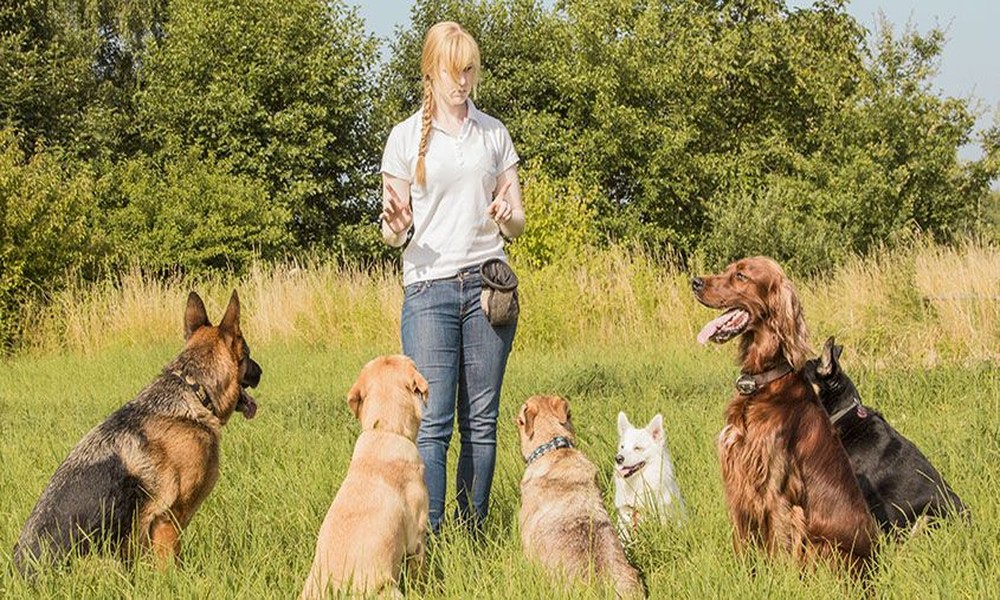
Training a k-9 guard dog in the right way is very different from raising a normal family pet. A protection dog is trained not only to obey commands but also to help keep its owner and home safe. Because of this, the training must be structured, consistent, and handled with care. The goal is not to create an aggressive dog, but to build a confident, disciplined animal that can respond to commands and act only when necessary.
Protection dogs must be calm in everyday life while still being able to respond quickly if a real threat appears. They should be comfortable around family members, children, and guests, but also able to recognize when something is not right. This balance is what makes protection dog training unique and why it requires patience, skill, and proper guidance.
What Makes Protection Dog Training Different
Protection dog training combines advanced obedience with controlled protection skills. The main focus is discipline, control, and communication between the dog and its handler.
Unlike regular pet training, protection training teaches the dog how to react in stressful or unfamiliar situations. For example, a dog may learn how to stay alert in public spaces, how to respond to suspicious behavior, and how to stop an action immediately when commanded.
A well-trained protection dog should always show these qualities:
- Strong obedience: The dog follows commands quickly and reliably.
- Emotional balance: The dog stays calm and does not react aggressively without reason.
- Confidence: The dog is comfortable in different environments and situations.
- Control: The handler always remains in charge of the dog’s actions.
Without these qualities, a protection dog could become unpredictable. That is why structured training and regular practice are essential.
Basic Obedience Commands
Every successful protection dog starts with strong basic obedience. These commands may seem simple, but they form the foundation for all advanced training.
Sit and Stay
The commands “Sit” and “Stay” are some of the first things a dog learns. They help the dog remain calm and controlled in different situations.
For example, if visitors arrive at your home, the dog should be able to sit quietly instead of jumping or reacting nervously. These commands also help build patience and discipline during training.
Come (Recall)
The “Come” command, also called recall, is extremely important for protection dogs. It ensures that the dog will return to the handler immediately, even if something has caught its attention.
In protection situations, this command may be used to stop a dog from chasing someone or reacting to a distraction. A strong recall command can prevent accidents and maintain control.
Heel
The “Heel” command teaches the dog to walk calmly beside its handler without pulling on the leash.
This command is especially useful in crowded places such as parks, streets, or public areas. A protection dog must stay close and focused on the handler at all times. Walking properly also shows the dog understands discipline and control.
Developing Trust and Communication
Another important part of early training is building trust between the dog and its owner. Dogs respond best when they feel safe and understand what is expected of them.
Clear communication, positive reinforcement, and regular training sessions help the dog learn faster. Praise, rewards, and patience all play a role in helping the dog develop confidence and respect for commands.
Key Commands and Safe Training Practices
Once a dog has mastered basic obedience, it can begin learning protection-related commands. These commands are designed to help the dog guard, alert, and defend in a controlled and responsible way.
The training process should always move slowly and carefully to ensure the dog understands each step before learning the next one.
Protection-Specific Commands
Protection dogs learn special commands that help them protect people and property while staying under control.
Alert
The “Alert” command teaches the dog to bark on cue. Barking can serve as an early warning system if someone approaches your home or if something unusual happens.
In many cases, a loud bark is enough to discourage intruders. However, the dog must also learn to stop barking when the handler gives another command.
Guard
The “Guard” command tells the dog to watch over a specific area, object, or person. For example, the dog may be asked to guard a doorway, a vehicle, or its owner.
During this command, the dog remains alert and focused but does not attack unless instructed. This helps the dog learn responsibility without unnecessary aggression.
Release
The “Release” command is one of the most critical commands in protection training. It instructs the dog to immediately let go of anything it is holding.
If a dog has been trained to bite in controlled protection exercises, it must release instantly when told. This command ensures that the handler always maintains full control.
Advanced Protection Commands
Some protection dogs may receive additional advanced training depending on their role.
Search
The “Search” command teaches the dog to explore an area and locate a person or object. This skill is often used by security dogs and working dogs.
Training for this command requires patience and professional guidance, as the dog must learn to follow scents and signals accurately.
Defence
The “Defence” command tells the dog to protect the handler from a direct threat. This command should only be used in serious situations and must be carefully controlled.
Once the threat is gone, the dog must stop immediately when instructed. This ensures safety for everyone involved.
The Importance of Consistent Training
Protection dogs must continue practicing their skills throughout their lives. Training should not stop once the dog learns the commands.
Regular practice helps the dog stay sharp, confident, and responsive. It also strengthens the bond between the dog and its handler.
Consistent training helps the dog:
- Remember commands clearly
- Stay calm in stressful situations
- Respond quickly when needed
- Maintain discipline and focus
Even short daily training sessions can make a big difference in keeping the dog prepared and well-behaved.
Why Professional Training Is Recommended
Because protection dog training is complex, many owners work with experienced trainers. Professional trainers understand dog behavior and know how to guide instincts in a safe and responsible way.
Professional training offers several benefits:
Experience and knowledge
Trainers understand how dogs think and how to develop their skills properly.
Customized training plans
Every dog has a different personality and learning style. Trainers can adjust training methods to suit each dog.
Safety and control
Experts ensure that protection skills are developed responsibly so the dog remains safe around family and visitors.
Legal awareness
In some countries, there are rules about owning and training protection dogs. Professional trainers often understand these regulations and help owners follow them.
Choosing the Right Protection Dog Trainer
Selecting the right trainer is an important step. A good trainer should focus on humane methods and emphasize control and obedience rather than aggression.
When searching for a trainer, consider the following:
- Look for trainers with real experience in protection dog training
- Ask for references or reviews from past clients
- Visit training sessions to observe their methods
- Make sure the trainer supports both the dog and the owner during the learning process
A trustworthy trainer will take the time to explain the training process and ensure both the dog and the owner feel confident.
Building a Lifelong Bond With Your Dog
Protection dog training is about much more than teaching a dog to guard or defend. It is about building a strong partnership between the dog and its handler.
A well-trained protection dog is loyal, disciplined, and dependable. At the same time, it can also be a loving companion that fits comfortably into family life.
With proper training, patience, and care, a protection dog can provide both security and companionship for many years. Always remember that responsible training and respect for your dog’s well-being should remain the top priorities throughout the journey.